

A zero-based budget is a monthly plan where you give every dollar of take-home pay a job, so that your income minus your planned spending, saving and debt payments equals exactly zero. Zero does not mean you spend everything. It means no dollar is left without a plan, and savings are a line you fill first, not whatever happens to be left over.
It is one of the clearest ways to budget money for beginners, because the rule is simple: income minus the plan equals zero. Here is how to make one, step by step, with a full example.
How a zero-based budget works
Most people budget by listing bills and hoping the rest lasts. A zero-based budget flips that. Before the month starts, you write down your take-home pay, then assign it to categories until there is nothing left to assign.
The formula:
Take-home pay minus (bills + spending + savings + debt payments) = $0
If the result is above zero, you have unassigned money, so give it a job. If it is below zero, you are planning to spend more than you earn, so cut a category until it balances.
Step 1: Write down your take-home pay
Use the money that actually lands in your account after taxes and deductions, not your salary. List every source:
- Paychecks from each job
- Side income or self-employment income (after setting aside tax money)
- Child support, benefits or any other regular income
If your income varies, use your lowest normal month. Extra money in better months gets assigned when it arrives.
Step 2: Track what you actually spend
Before you plan, look at reality. The CFPB suggests logging what you spend in an average month by category, or reviewing one week at a time using receipts or your checking account if a full month feels like too much. Look back at your last one to three months of bank and card statements and note what you spent on food, fuel, shopping and everything else.
This step stops you from writing a budget that looks great on paper and falls apart by the 10th.
Step 3: List your bills and their due dates
Write down every fixed bill with its amount and due date. The CFPB points out that if you run short at the end of the month, your bill due dates may not line up with your paydays.
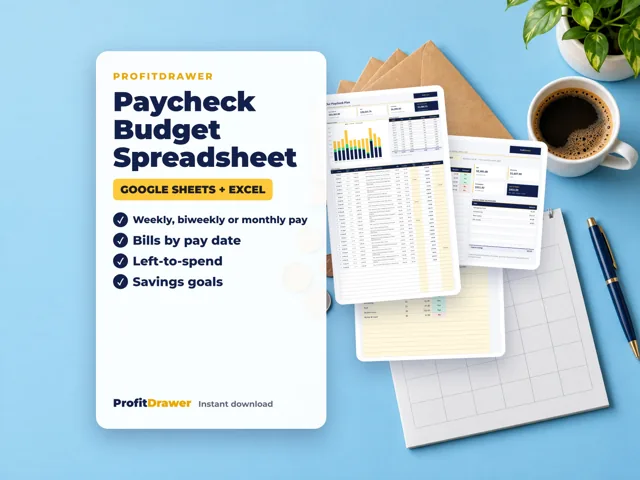
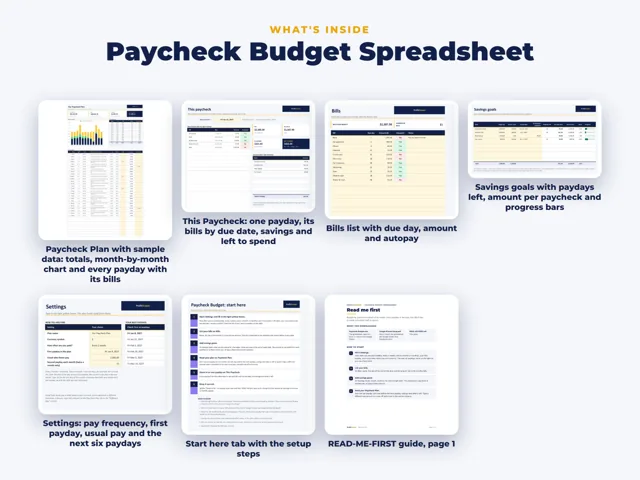
If you are paid every week or every two weeks, this is where it helps to plan by paycheck: assign each bill to the paycheck that comes before its due date. A paycheck budget spreadsheet lets you set weekly, biweekly or monthly pay, put bills by pay date and see what is left to spend.
Step 4: Assign every dollar, in order
Fill categories in this order so the important things are covered first:
- Essentials: housing, utilities, groceries, transportation, insurance, phone.
- Minimum debt payments: every loan and card, at least the minimum.
- Savings goals: emergency fund, then other goals.
- Irregular costs: money set aside each month for things that do not come monthly, such as car repairs, holidays, birthdays and yearly insurance.
- Extra debt payments: if you want to pay something off faster.
- Flexible spending: dining out, fun money, hobbies.
Keep assigning until income minus the plan equals zero.
Step 5: Spend from the plan and track as you go
During the month, record what you spend against each category. When a category runs out, you have two choices: stop spending in it, or move money from another category. Moving money is fine. That is the plan doing its job. The only rule is that the total still equals zero.
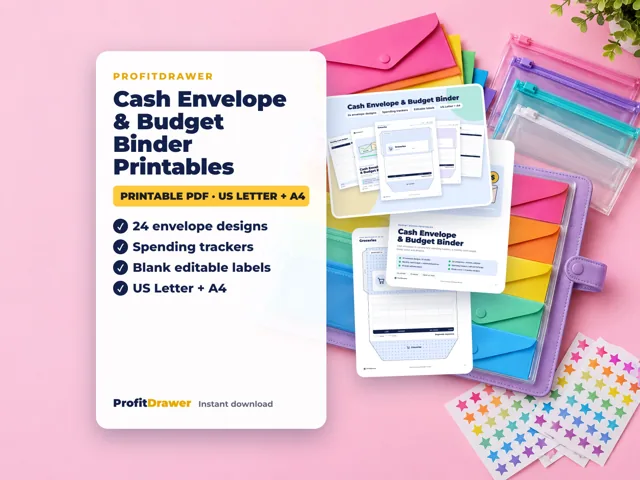
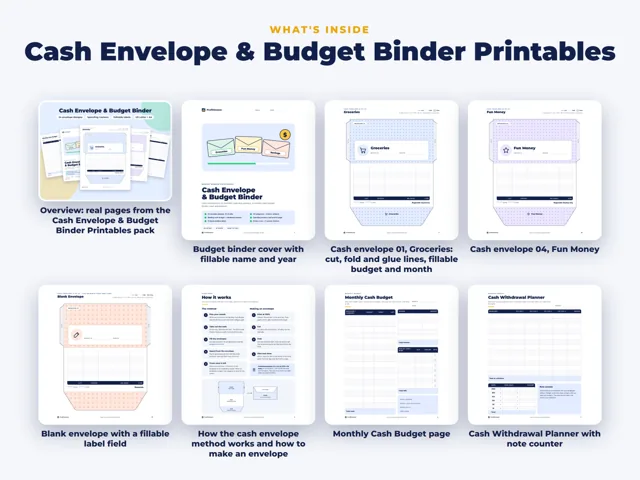
If you like cash, fill envelopes for flexible categories like groceries, fuel and fun money on payday. When an envelope is empty, that category is done for the month. Cash envelope printables include envelope designs and spending trackers for exactly this.
Step 6: Review and reset each month
At the end of the month, compare plan to actual. Which categories went over? Which had money left? Adjust next month's numbers using what you learned. The CFPB also suggests updating your budget when your job or spending changes. Most people need two or three months before their zero-based budget feels accurate.
Example zero-based budget
This is an example budget. Your income and costs will be different. It shows a household with $4,200 in monthly take-home pay.
| Category | Planned |
|---|---|
| Rent | $1,350 |
| Utilities (electric, water, gas) | $180 |
| Phone and internet | $120 |
| Groceries | $520 |
| Car payment | $395 |
| Car insurance | $140 |
| Fuel | $160 |
| Credit card minimum | $60 |
| Emergency fund | $350 |
| Car repairs fund | $50 |
| Holidays and gifts fund | $75 |
| Yearly bills fund (renewals, fees) | $40 |
| Extra car loan payment | $100 |
| Household and personal items | $110 |
| Dining out | $150 |
| Subscriptions | $45 |
| Fun money | $200 |
| Kids activities | $130 |
| Medical and pharmacy | $25 |
| Total planned | $4,200 |
The check: $4,200 take-home minus $4,200 planned = $0. Every dollar has a job.
Now say rent goes up $50 next month. Income minus the plan becomes $4,200 minus $4,250 = minus $50. To get back to zero, cut $50 somewhere, for example dining out from $150 to $100. That is the whole skill: when one number moves, another moves to match.
Save ahead for irregular costs
The four "fund" lines in the example are called sinking funds. They turn a surprise $600 car repair into something you already saved for. The math is simple: divide the cost by the months until you need it.
Example: holiday gifts will cost about $900 and are 12 months away. $900 / 12 = $75 a month, which is the holidays line in the example budget.
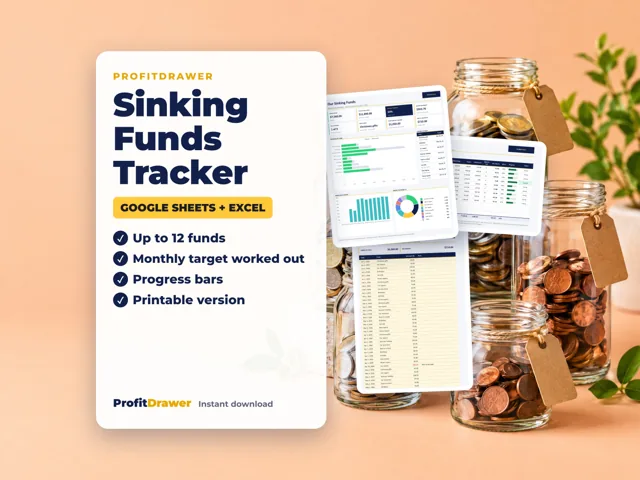
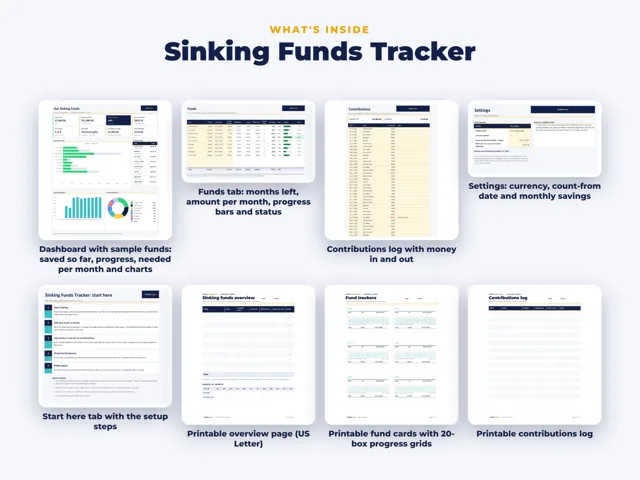
A sinking funds tracker tracks up to 12 funds, works out the monthly target for you and shows progress bars, with a printable version.
Put extra toward debt
The example budget sends an extra $100 a month to the car loan. On a $25,000 loan at 7% for five years, that extra $100 saves about $939 in interest and ends the loan 11 months early. See the full math in our guide on how to pay off a car loan faster, or run your own loan in the free loan payoff calculator.
Common zero-based budget mistakes
- Forgetting irregular expenses. If it happens once a year, it still needs a monthly line.
- No room for fun. A budget with zero fun money rarely lasts. Give yourself a realistic amount.
- Budgeting gross pay instead of take-home pay.
- Giving up after month one. The first month is a guess. The third month is a plan.
- Not moving money between categories. Moving money is allowed. Ignoring an overspent category is the real problem.
Tools to make it easier
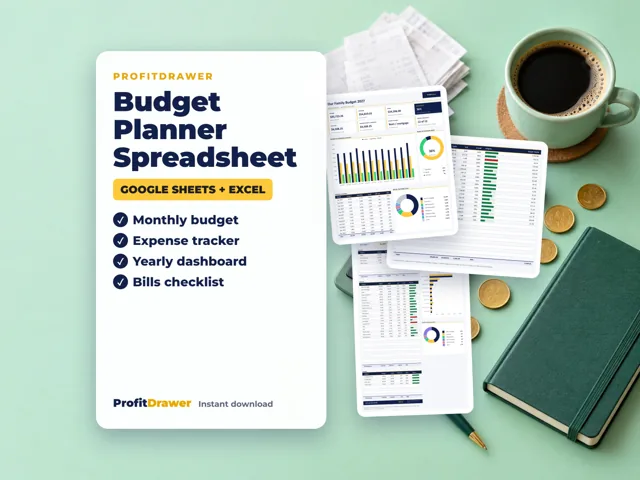
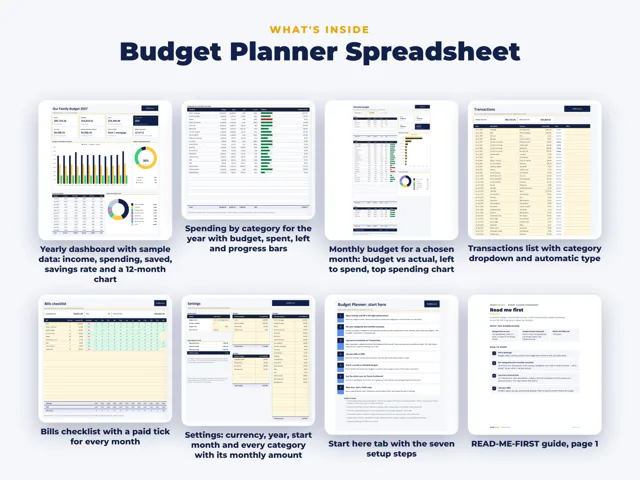
You can do this on paper, but a spreadsheet does the adding for you. A budget planner spreadsheet has a monthly budget, an expense tracker, a yearly dashboard and a bills checklist, so you can see at a glance whether your plan reaches zero and where your money really went.
A 30-day plan to start
- Days 1 to 3: list your take-home pay and every bill with its due date.
- Days 4 to 7: go through last month's statements and total your spending by category.
- Day 8: write your first zero-based budget and make it equal zero.
- Days 9 to 29: track spending against the plan and move money between categories when needed.
- Day 30: compare plan to actual, adjust, and write next month's budget.
Tools for this

Questions people ask
What's a zero-based budget, and why is it important?
A zero-based budget is a monthly plan where your take-home pay minus everything you plan to spend, save and pay toward debt equals exactly zero. It matters because no money is left without a plan, so small leaks like forgotten subscriptions get noticed and savings happen on purpose instead of from leftovers.
Why is the zero-based budget considered so effective?
Because you decide in advance what every dollar does, including savings and debt payments. Other methods let leftover money drift. For example, if $150 is left after bills and you assign it to an emergency fund before the month starts, that $150 is saved instead of quietly spent.
Does zero-based budgeting mean I spend all my money?
No. Zero means every dollar is assigned, not spent. Savings, an emergency fund and extra debt payments are categories in the plan, so a budget can reach zero while you still save a large share of your pay.
How do you make a zero-based budget on a low income?
Start with essentials in order: housing, utilities, food, transportation and minimum debt payments. Assign what is left to the most urgent goal, even if it is only $20 to a starter emergency fund. On a $2,400 take-home month, assigning every dollar shows clearly where a small cut, like $30 less on takeout, can go instead.
What if my income changes every month?
Build the budget on your lowest typical month. When a bigger month comes, assign the extra right away, for example to savings or next month's bills. Some people budget each paycheck separately so each pay date has its own plan.
Sources
General information, not tax, legal or financial advice. Check the rules for your state and your situation.