
There is no single right number; the Consumer Financial Protection Bureau says the amount depends on your situation and suggests thinking about what your past unexpected expenses cost. A CFPB savings booklet suggests starting with $500 as a first goal, then building toward a fund that covers your most likely surprises, such as a car repair or a month of essential bills. ProfitDrawer's budget guides treat the emergency fund as a monthly budget line, not leftovers.
A step-by-step target:
- Starter goal: $500. Enough to handle many small surprises without a credit card.
- Your own number: list the unexpected costs you have had in recent years (car repairs, medical bills, a gap in income) and what they cost.
- Longer term: many people keep building toward several months of essential expenses, especially with variable income or one earner in the household.
How to build it:
- Set a specific goal so progress is easy to see.
- Set up automatic transfers from checking to savings on payday.
- Put part of a tax refund toward it if your monthly room is small.
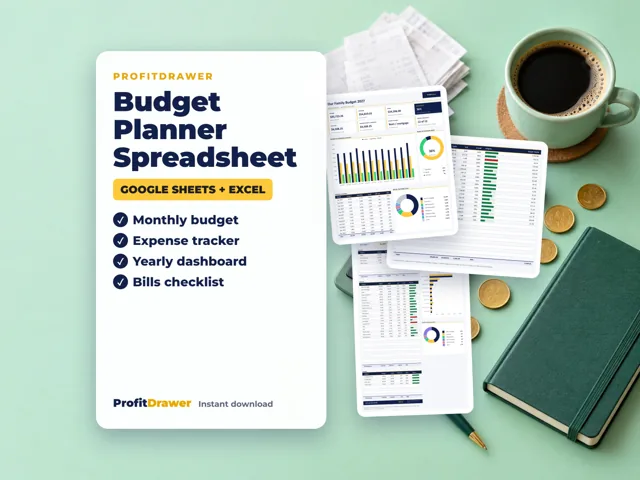
- Give it its own line in your budget, for example $350 a month in ProfitDrawer's zero-based budget example.
Where to keep it: the CFPB says a bank or credit union account is generally considered one of the safest places, and notes cash can be lost, stolen or destroyed. Keep it separate from everyday spending so it is not used by accident.
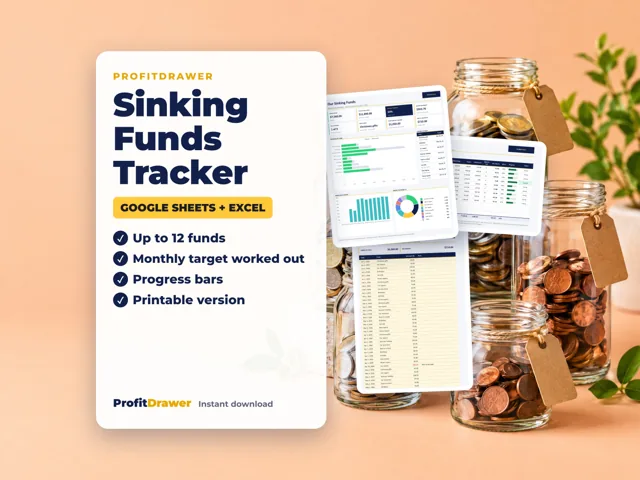
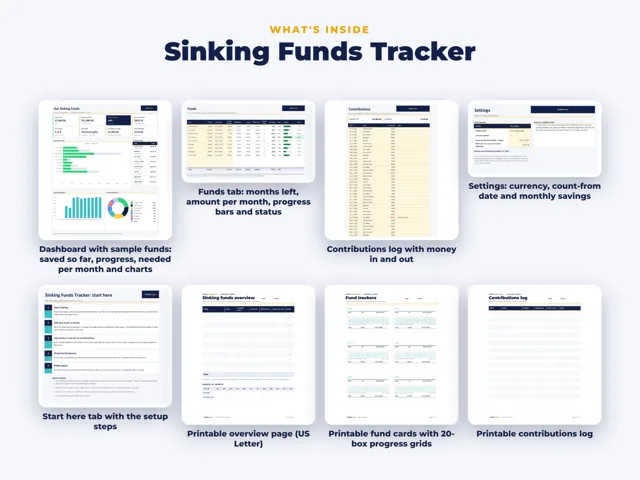
Irregular but expected costs, like holidays or yearly insurance, belong in sinking funds instead.
Source: Building your savings? Start with small goals, Your Money, Your Goals (Consumer Financial Protection Bureau) · Updated
Tools and spreadsheets for this
Related questions
All questions on ProfitDrawer Answers →
General information, not tax, legal or financial advice. Check the rules for your state and your situation.