
Start with three numbers: your monthly take-home pay, what you actually spent last month, and your bills with their due dates. The Consumer Financial Protection Bureau suggests logging spending for an average month, or one week at a time if a month feels like too much. Then give income a plan: essentials first, then debt minimums and savings. ProfitDrawer's zero-based budget guide walks through a full $4,200 example.
A first budget in six steps:
- Income. Write down take-home pay from every source: paychecks, side work, benefits, child support.
- Spending. Go through the last one to three months of bank and card statements and total each category (housing, food, fuel, shopping, subscriptions).
- Bills and due dates. List fixed bills and when they are due. The CFPB notes that running short at month's end can mean bill dates and paydays do not line up.
- Plan. Assign income to essentials, minimum debt payments and a savings goal first, then flexible spending. A 50/30/20 split or a zero-based budget are common starting frameworks.
- Track. Record spending against the plan during the month.
- Review. Compare plan to actual at month end and adjust. The CFPB says to update your budget when your job or spending habits change.
Keep it simple: a few categories you actually track beat a detailed plan you abandon. Most people need two or three months before their numbers feel right.
A spreadsheet, a printable planner or paper all work; the habit matters more than the tool.
Source: Budgeting: How to create a budget and stick with it (Consumer Financial Protection Bureau) · Updated
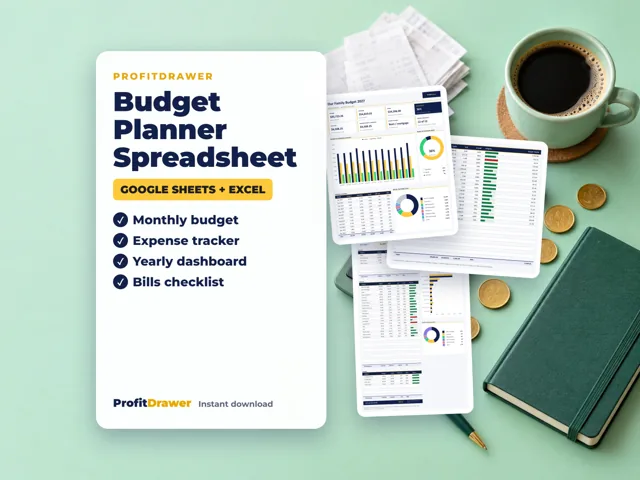
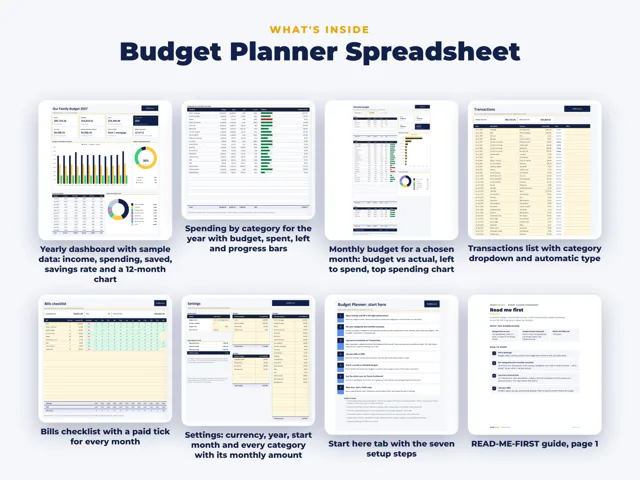
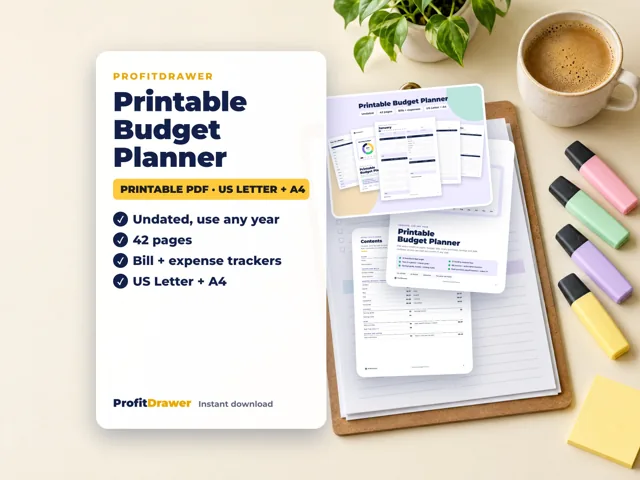
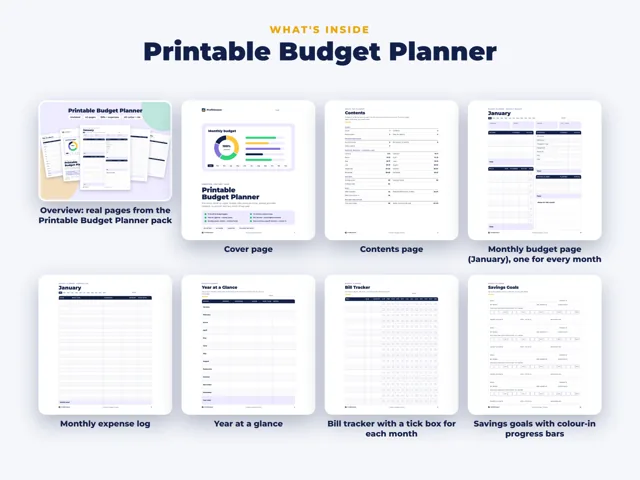
Tools and spreadsheets for this
Related questions
All questions on ProfitDrawer Answers →
General information, not tax, legal or financial advice. Check the rules for your state and your situation.