
Build the budget on your lowest typical month, cover essentials and minimum debt payments first, and assign extra money the day it arrives, for example to savings or next month's bills. ProfitDrawer's zero-based budget guide uses this approach, and some people budget each paycheck separately instead of each month. If you are self-employed, set aside tax money before budgeting, since self-employment tax alone is 15.3% of net earnings.
Step by step:
- Find your baseline. Look at the last 6 to 12 months of income and pick a low but normal month.
- Budget the baseline. Essentials, minimum debt payments and a small savings amount must fit inside it.
- Make a priority list for extra money. For example: refill the emergency fund, prepay next month's bills, sinking funds, extra debt payments, then wants.
- Assign windfalls right away so a good month is not quietly spent.
- Hold a buffer. Over time, aim to keep about one month of expenses in checking or savings so you can live on last month's income.
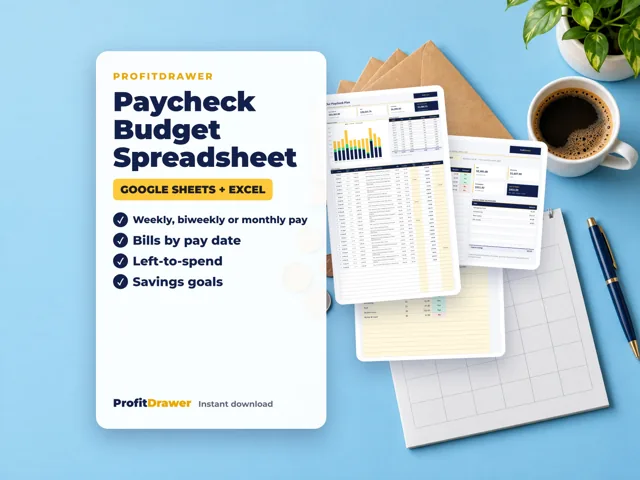
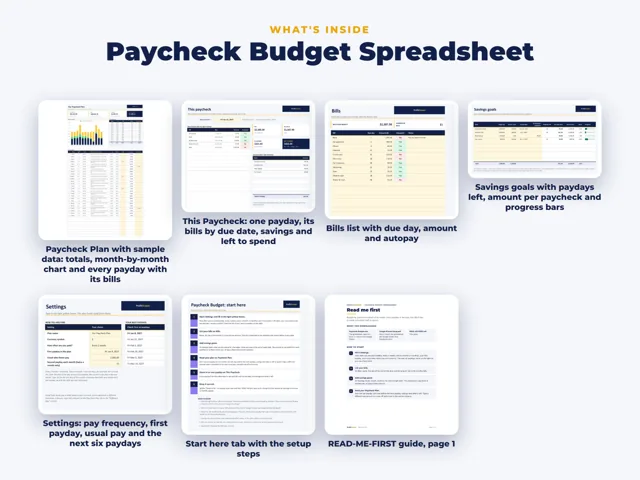
- Plan by pay date if you are paid weekly or every two weeks: assign each bill to the paycheck before its due date.
Self-employed? Count income after setting money aside for taxes. Self-employment tax is 15.3% (12.4% Social Security plus 2.9% Medicare) on top of income tax, and you may owe quarterly estimated payments if you expect to owe $1,000 or more.
Review every month and update your baseline as your income pattern becomes clearer. General information, not tax advice.
Source: Zero-Based Budget guide (ProfitDrawer) · Updated
Tools and spreadsheets for this
Related questions
All questions on ProfitDrawer Answers →
General information, not tax, legal or financial advice. Check the rules for your state and your situation.