
There is no single right percentage. Self-employment tax alone is 15.3% of 92.35% of your profit, about 14.1% of profit, and federal income tax comes on top at a rate that depends on your bracket, deductions and other income, plus any state tax. ProfitDrawer's free self-employed tax calculator lets you choose a share of profit, shows the self-employment tax part separately and shows what is left for income tax.
A practical way to pick your number:
- Estimate your profit, meaning income minus business expenses, not total sales.
- Work out the self-employment tax part: profit x 92.35% x 15.3%. On a $40,000 profit that is $5,651.82 (example numbers only).
- Add income tax. Your rate depends on your filing status, tax bracket, deductions and any wages from a job. Last year's return, or a tax professional, gives the best starting point.
- Add state income tax if your state has one.
- Enter a share in the calculator and check that the amount left for income tax looks realistic.
Then move that share into a separate savings account each time a client pays, and review it every quarter. If you expect to owe $1,000 or more, pay it as quarterly estimated tax. Paying at least 100% of last year's tax, or 90% of this year's, generally avoids the underpayment penalty.
The 12.4% Social Security part stops above a yearly earnings limit, and a 0.9% additional Medicare tax can apply at higher incomes. General information, not tax advice.
Source: Self-Employed Tax Calculator: How Much to Set Aside (ProfitDrawer) · Updated
Tools and spreadsheets for this
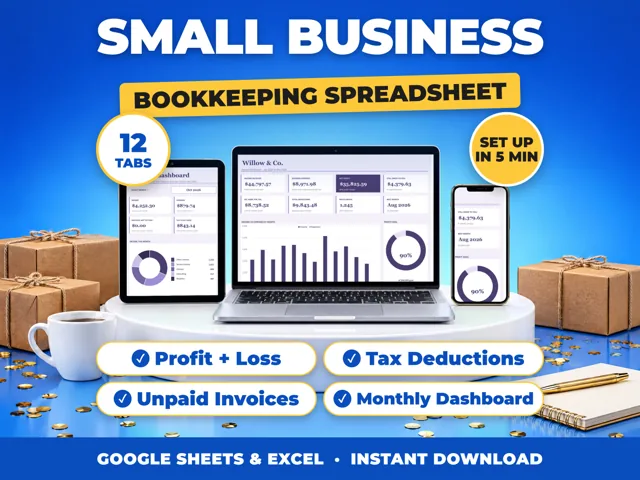

Small Business Bookkeeping Spreadsheet


Side Hustle Income + Expense Tracker
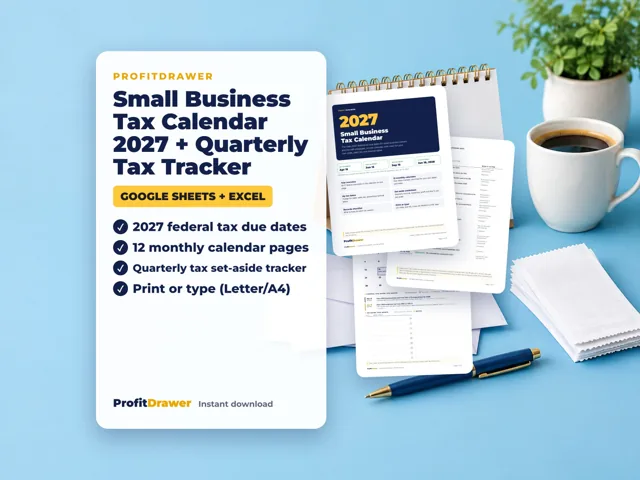
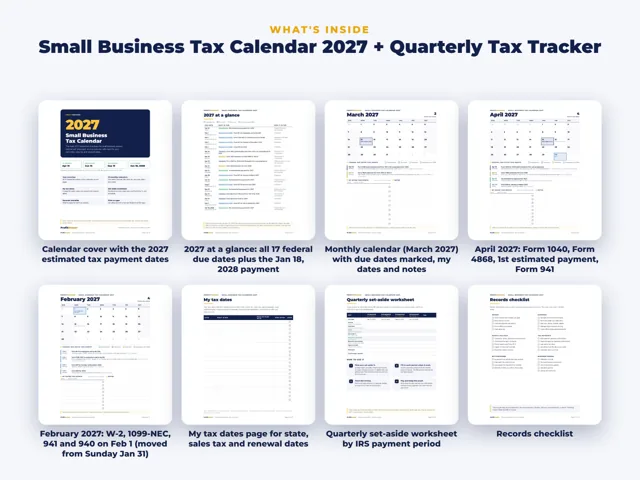
Small Business Tax Calendar 2027 + Quarterly Tax Tracker
Related questions
- What is self-employment tax and how much is it in 2026?
- Do I have to pay quarterly estimated taxes in my first year of business?
- When are quarterly estimated tax payments due in 2027?
- How do I pay myself from my small business?
- How much should I charge per hour as a self-employed person?
- What free calculators does ProfitDrawer offer?
All questions on ProfitDrawer Answers →
General information, not tax, legal or financial advice. Check the rules for your state and your situation.