
Often yes. The IRS says individuals, including sole proprietors, partners and S corporation shareholders, generally must pay estimated tax if they expect to owe $1,000 or more when they file. One exception: you owe no estimated tax for the year if you had no tax liability the prior year, were a US citizen or resident alien all year, and that year covered 12 months. ProfitDrawer's 2027 deadlines guide lists the payment dates.
A first year of business does not by itself exempt you. What matters is how much tax you expect to owe and what you owed the year before.
Example (example numbers only): a first-year profit of $12,000 gives self-employment tax of about $12,000 x 92.35% x 15.3% = $1,696, before any income tax. That is above $1,000, so quarterly payments are likely.
How to stay clear of the underpayment penalty:
- Pay at least 90% of the current year's tax, or 100% of the tax shown on last year's return, whichever is smaller. Some higher-income taxpayers have special rules (IRS Publication 505).
- "No tax liability" for the prior year means your total tax was zero or you were not required to file.
- Use Form 1040-ES to figure and pay, by mail or online.
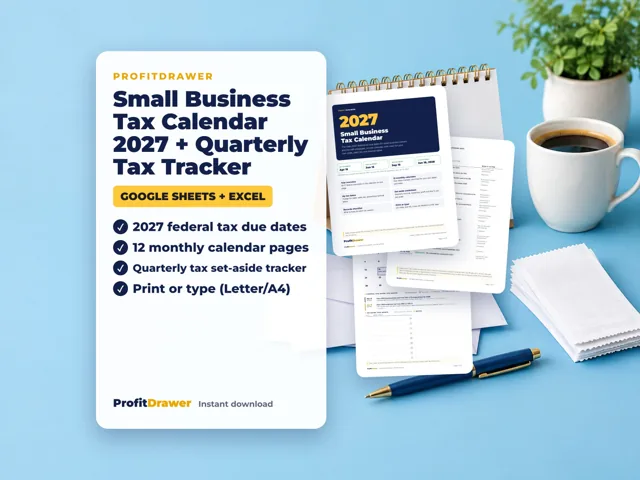
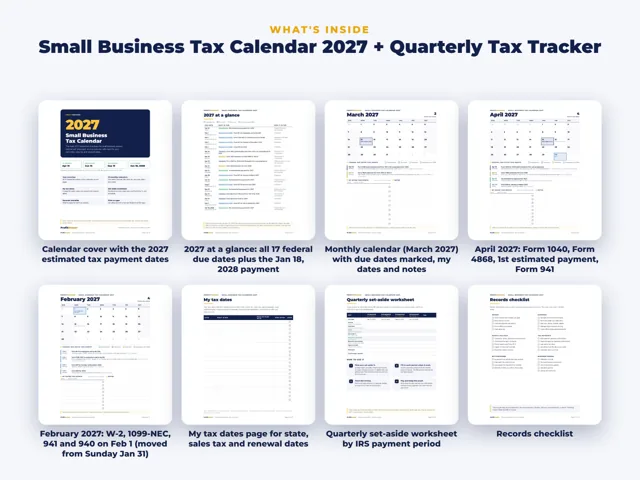
For tax year 2027 the payments are due April 15, June 15 and September 15, 2027, and January 18, 2028. General information, not tax advice.
Source: IRS: Estimated taxes · Updated
Tools and spreadsheets for this

Related questions
- When are quarterly estimated tax payments due in 2027?
- What is self-employment tax and how much is it in 2026?
- How much should I set aside for taxes if I am self-employed?
- When are small business taxes due in 2027?
- Does a tax extension give me more time to pay?
- What is the IRS standard mileage rate for business in 2026?
All questions on ProfitDrawer Answers →
General information, not tax, legal or financial advice. Check the rules for your state and your situation.