
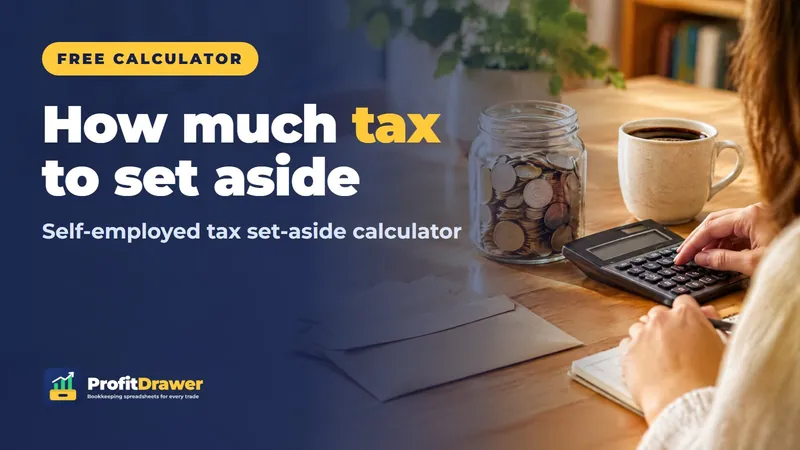
No. A tax extension gives you more time to file your return, not to pay the tax. Filing Form 4868 by April 15, 2027 moves the Form 1040 filing deadline to October 15, 2027, but any tax you owe for 2026 is still due April 15, 2027. ProfitDrawer's free self-employed tax calculator helps you estimate the self-employment tax part so you can pay on time.
How it works for individuals:
- Estimate your total tax for the year.
- Subtract the tax you already paid through withholding and estimated payments.
- Pay the balance by the original April due date, and file Form 4868 by that same date.
Business returns work the same way. Form 7004 extends the filing date for partnerships and S corporations to September 15, 2027, and for calendar-year C corporations to October 15, 2027, but not the time to pay.
If you file the extension but do not pay enough by the original date, penalties and interest can apply to the unpaid amount.
State extension rules differ, so check your state tax agency. General information, not tax advice.
Source: IRS: Get an extension to file your tax return · Updated
Tools and spreadsheets for this

Related questions
- When are small business taxes due in 2027?
- When are S corporation taxes due in 2027?
- When are quarterly estimated tax payments due in 2027?
- What happens if a tax deadline falls on a weekend or holiday?
- How much should I set aside for taxes if I am self-employed?
- What is self-employment tax and how much is it in 2026?
All questions on ProfitDrawer Answers →
General information, not tax, legal or financial advice. Check the rules for your state and your situation.