
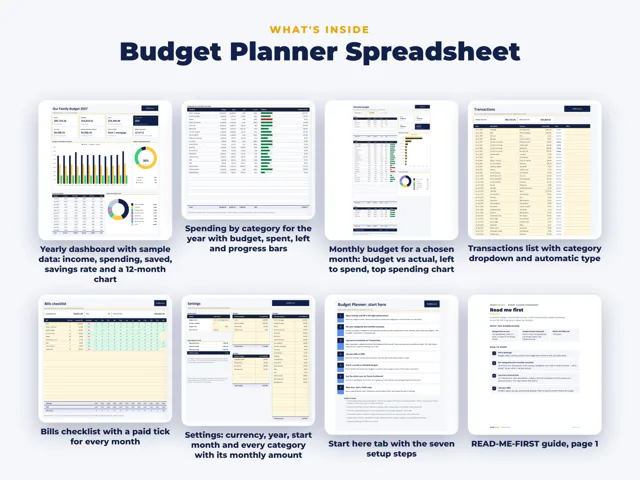
Usually yes: a dedicated account makes the money easier to protect and harder to spend by accident. The Consumer Financial Protection Bureau suggests keeping the fund in a dedicated account that is safe, accessible and not a place you are tempted to spend from, such as a bank or credit union account. A CFPB savings booklet suggests $500 as a first goal. ProfitDrawer's budget guides treat it as a monthly budget line.
What to look for in the account, based on the CFPB's guidance:
- Safe: the CFPB says a bank or credit union account is generally considered one of the safest places to keep money.
- Accessible: you can reach it quickly in a real emergency.
- Out of the way: separate from the checking account you spend from every day.
Make it automatic. The CFPB suggests setting up recurring transfers through your bank or credit union so money moves from checking to savings on its own, and watching your checking balance so a transfer does not cause an overdraft fee.
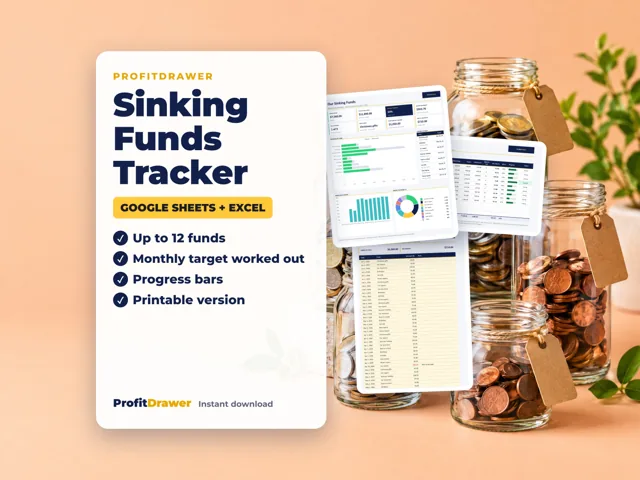
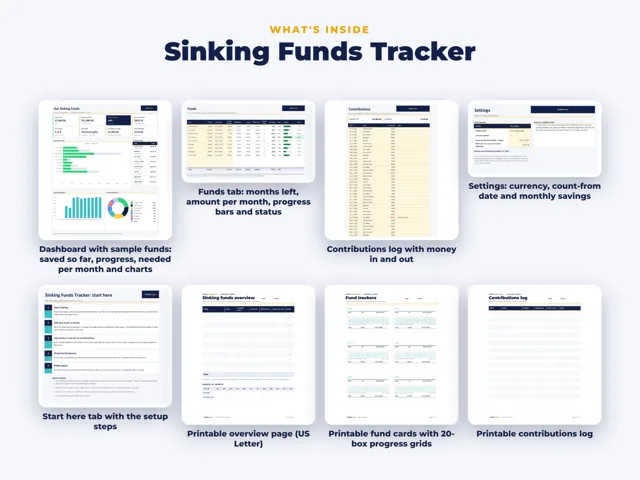
Keep it separate from other goals too. Money for a holiday or car repair you know is coming fits better in its own sinking fund, so using the emergency fund does not wipe out a planned goal.
How much to keep depends on your situation; the CFPB suggests thinking about the unexpected expenses you have had before.
Source: An essential guide to building an emergency fund (CFPB) · Updated
Tools and spreadsheets for this
Related questions
All questions on ProfitDrawer Answers →
General information, not tax, legal or financial advice. Check the rules for your state and your situation.