
Usually both: pay every minimum, build a small emergency cushion, then put extra toward high-interest debt. A Consumer Financial Protection Bureau savings booklet suggests $500 as a first emergency goal, so a surprise bill does not go on a card. In a 2021 CFPB experiment, over 90 percent of participants used some savings for debt but most kept a cushion. ProfitDrawer's car loan guide pays extra only once some savings exist.
A simple order many budgets follow:
- Pay at least the minimum on every debt, every month, to avoid late fees and damage to your credit.
- Build a starter emergency fund, such as the CFPB's $500 first goal.
- Send extra to the highest-interest debt, often credit cards. Each dollar there saves more than the same dollar on a low-rate loan.
- Keep adding to savings alongside debt payments, then grow the emergency fund once high-interest debt is gone.
What the CFPB experiment found (551 people, hypothetical scenarios, published January 26, 2021): on average, participants put more than half of their savings toward debt, and most paid a card off completely only when they had twice as much savings as debt. The authors call the savings and debt trade-off a balancing act.
If your only debt is a low-rate loan, extra payments matter less than building savings first. General information, not financial advice.
Source: Experiment suggests people pay down debt but keep savings cushion (CFPB blog) · Updated
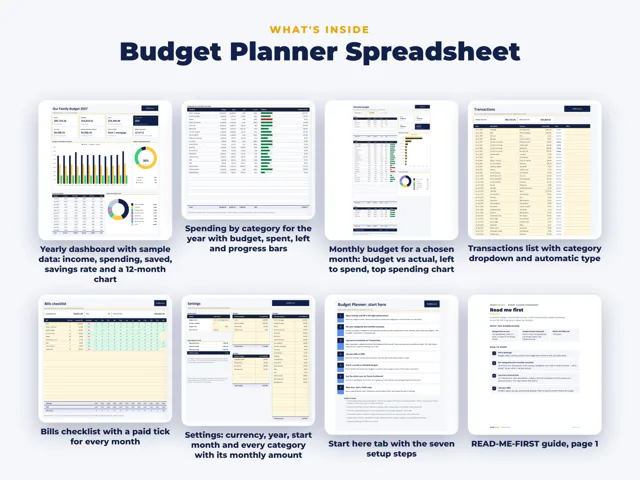
Tools and spreadsheets for this
Related questions
- How much should I have in an emergency fund?
- What is the difference between the debt snowball and debt avalanche?
- Should I pay off my car loan early?
- Should I keep my emergency fund in a separate account?
- Why is it hard to get out of debt paying only the minimum payment?
- What is a zero-based budget and how does it work?
All questions on ProfitDrawer Answers →
General information, not tax, legal or financial advice. Check the rules for your state and your situation.