
Because most of a minimum payment can go to interest, the balance falls slowly and interest keeps building on what is left. The Consumer Financial Protection Bureau says your card statement must show how long payoff takes at the minimum, plus the monthly amount that clears the balance in 36 months, and that the more you pay each month, the less interest you pay. ProfitDrawer's loan payoff calculator shows the months to pay off, the payoff date, total interest and what an extra payment saves.
What makes minimum payments slow:
- Interest comes first. Each month, interest on the remaining balance is added, and only the rest of your payment lowers what you owe.
- New purchases add to the balance. The CFPB notes the 36-month figure on your statement does not include any future purchases.
What helps:
- Read the minimum payment warning box on your statement to see the payoff time and total cost.
- Pay a fixed amount above the minimum every month, and keep it there as the balance falls.
- Stop adding new charges to the card you are paying off.
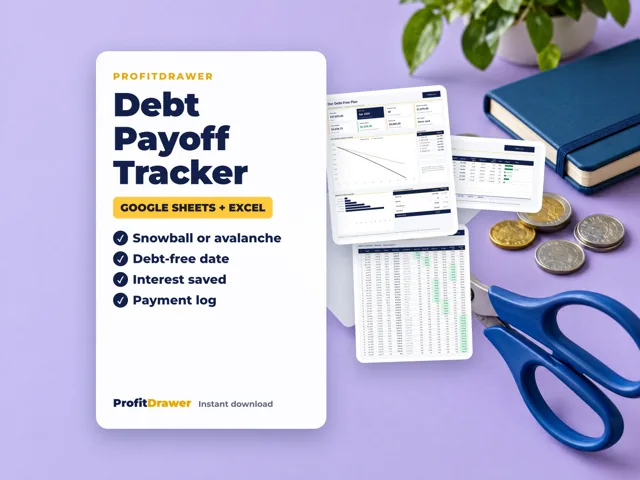
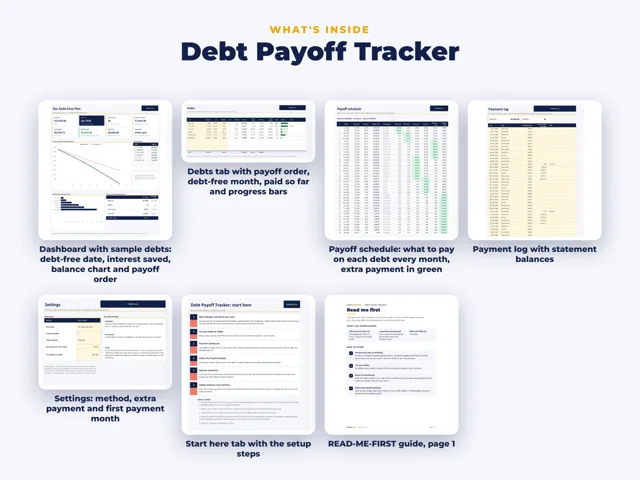
- With several debts, pay every minimum, then send extra to one target, using the debt snowball or avalanche.
You are not required to pay more than the minimum, but paying more is what shortens the payoff. General information, not financial advice.
Source: A box on my credit card bill says that I will pay off the balance in three years if I pay a certain amount (CFPB) · Updated
Tools and spreadsheets for this
Related questions
All questions on ProfitDrawer Answers →
General information, not tax, legal or financial advice. Check the rules for your state and your situation.