
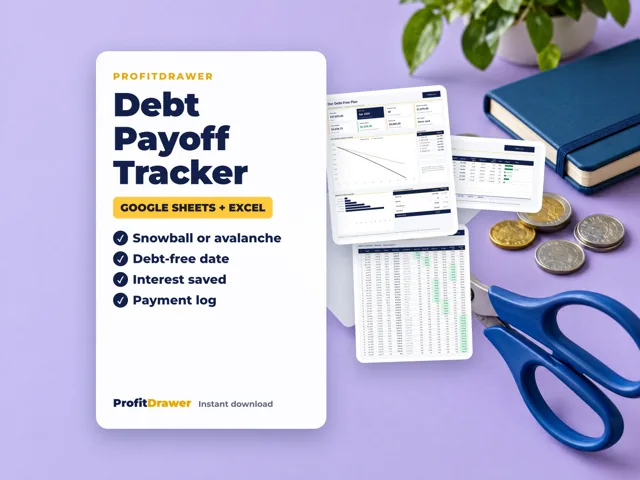
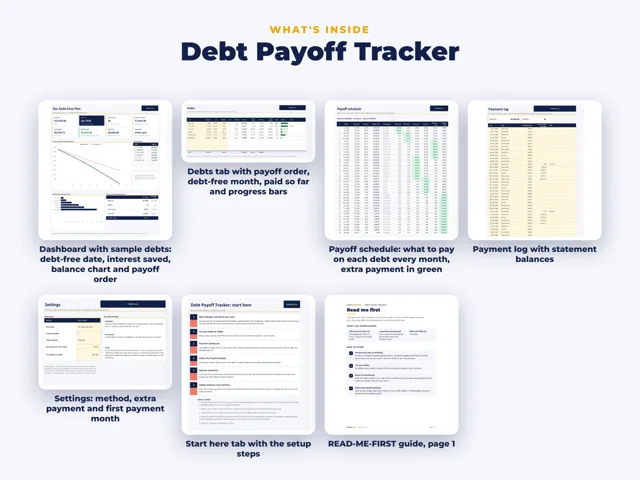
It can be, if the new loan has a lower total cost than your current debts and you stop adding new balances. The Consumer Financial Protection Bureau warns that a lower monthly payment can cost more overall over a longer term (a 60-month loan costs more interest than a 36-month loan at the same rate) and that low rates may be temporary teaser rates. ProfitDrawer's debt payoff tracker can show your payoff date without a new loan, for comparison.
It may help when:
- The new rate, after fees, is clearly lower than what you pay now.
- The term is the same or shorter, so total interest falls.
- You have a plan to stop using the paid-off cards.
It may hurt when:
- A lower payment comes from a longer term, raising total cost.
- An introductory or teaser rate ends and the payment rises.
- Fees, such as a balance transfer fee, eat the savings.
- You keep spending on the cleared cards and end up with more debt.
- It is a home equity loan: the CFPB warns you could lose your home in foreclosure if you do not repay, and closing costs can be significant.
Before you sign:
- List each debt's balance, rate and payment.
- Compare total cost (all payments plus fees) of keeping your debts versus the new loan.
- Be wary of companies advertising "consolidation"; the CFPB says many are actually debt settlement companies. It suggests talking to a nonprofit credit counselor first.
Paying down debts with the snowball or avalanche method needs no new loan at all.
Source: What do I need to know about consolidating my credit card debt? (Consumer Financial Protection Bureau) · Updated
Tools and spreadsheets for this
Related questions
All questions on ProfitDrawer Answers →
General information, not tax, legal or financial advice. Check the rules for your state and your situation.