
Cover essentials first, then give every remaining dollar a job, even small amounts. ProfitDrawer's zero-based budget guide lists the order: housing, utilities, food, transportation and minimum debt payments, then the most urgent goal, even if that is only $20 to a starter emergency fund. On a $2,400 take-home month, assigning every dollar shows where a small cut, like $30 less on takeout, can go instead.
Practical steps:
- Use take-home pay, and if income varies, your lowest normal month.
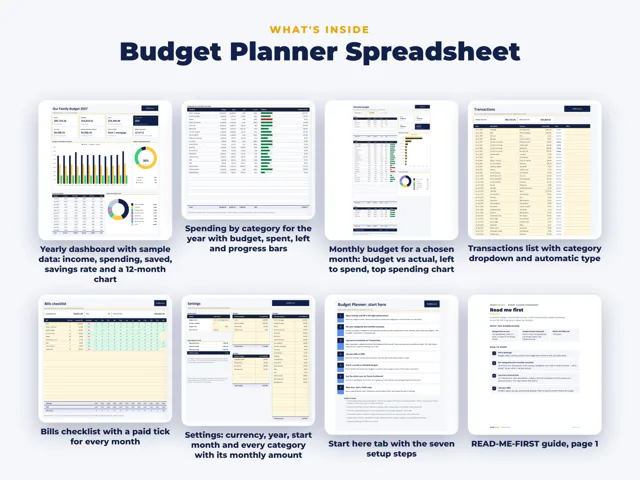
- Track a week or a month of spending. The Consumer Financial Protection Bureau (CFPB) says reviewing your spending is the easiest way to find areas to cut back.
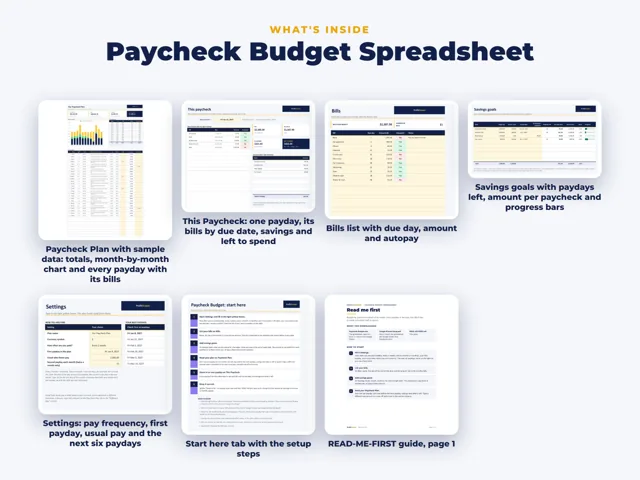
- Line bills up with paydays. The CFPB notes that coming up short at the end of the month can mean your bill dates and income do not match. A CFPB savings booklet suggests asking companies for a new due date, or splitting a large payment: $700 rent paid as $350 on the 1st and the 15th.
- Cut fees. The same booklet asks whether you pay fees to reach your money, such as ATM or check-cashing fees, and whether you can open a no-fee bank account.
- Save a little on purpose. The CFPB booklet suggests $500 as a first emergency goal; start with what you can.
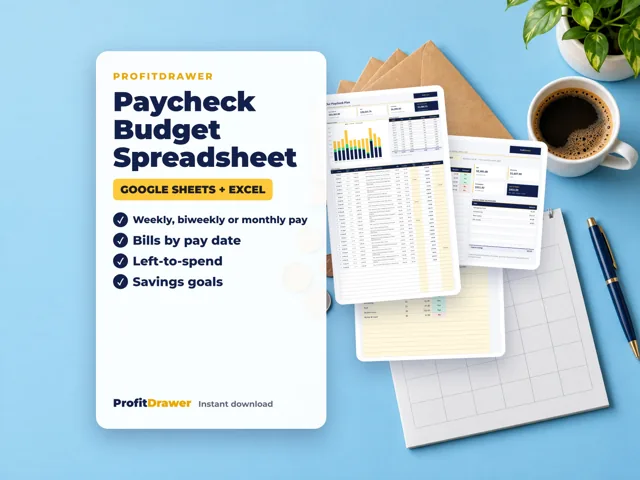
If you get paid weekly or every two weeks, budgeting by paycheck can make each pay date easier to plan.
Source: Zero-Based Budget: What It Is and How to Make One (With an Example) · Updated
Tools and spreadsheets for this
Related questions
All questions on ProfitDrawer Answers →
General information, not tax, legal or financial advice. Check the rules for your state and your situation.