
Turn the plan into a launch list. The SBA's business guide follows the plan with calculating startup costs, establishing business credit and funding the business, then 8 launch steps: pick a location, choose a structure, choose a name, register, get federal and state tax ID numbers, apply for licenses and permits, open a business bank account and get insurance. ProfitDrawer's free startup cost calculator handles the cost step.
After the plan, in the SBA's order:
- Calculate your startup costs. List one time and monthly costs, and how long your cash lasts with no sales.
- Establish business credit, kept separate from your personal credit history.
- Fund the business: savings, a loan or other sources. The SBA says lenders want a business plan, expense sheet and financial projections.
- Pick your business location, including home, and check zoning.
- Choose a business structure, such as a sole proprietorship or LLC.
- Choose your business name.
- Register your business, or file a DBA.
- Get federal and state tax ID numbers. An EIN from the IRS is free.
- Apply for licenses and permits at the federal, state and local levels that apply.
- Open a business bank account.
- Get business insurance.
Then before the first sale: set prices that cover your costs, set up simple bookkeeping for income, expenses and mileage, and note your 2027 tax dates.
Revisit the plan after a few months of real numbers; the first version is a starting estimate. General information, not legal advice.
Source: Launch your business (U.S. Small Business Administration) · Updated
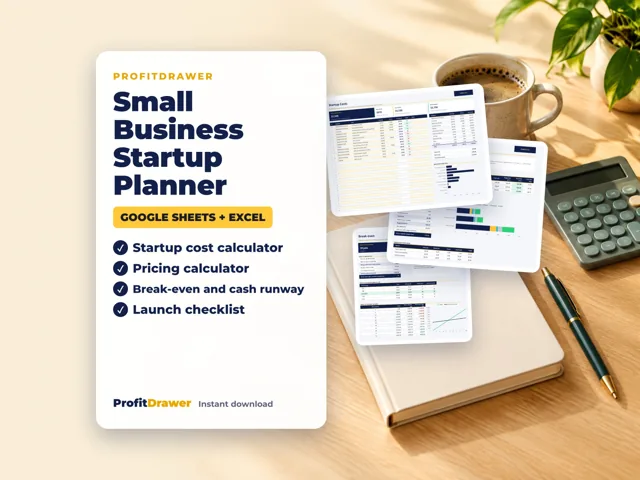
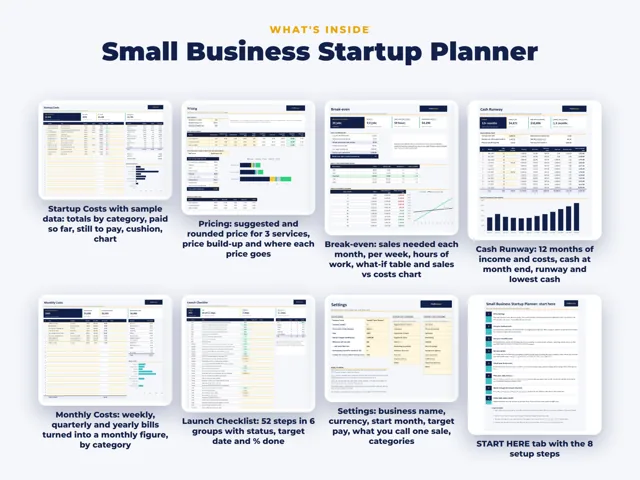
Tools and spreadsheets for this

Related questions
All questions on ProfitDrawer Answers →
General information, not tax, legal or financial advice. Check the rules for your state and your situation.