
To open a business bank account, compare a few banks' fees and rates, then apply with your EIN (or Social Security number if you are a sole proprietor), formation documents, any ownership agreements and your business license. The SBA says to open one as soon as you start accepting or spending money as your business. An EIN costs $0 from the IRS. ProfitDrawer's startup guides list this as an early step in each 30-day launch plan.
Steps:
- Get your paperwork ready. An EIN from irs.gov (free), your LLC or other formation documents if you have them, any DBA registration if you use a business name, and your business license. Some banks ask for more, so check first.
- Compare banks. The SBA suggests looking at introductory offers, interest rates on savings, checking and lines of credit, and fees: per transaction, early termination and minimum balance.
- Pick the accounts you need. Common ones are a checking account, a savings account, a business credit card and merchant services for accepting card payments. For merchant services, compare processing rates, per transaction fees and monthly minimums.
- Apply online or in a branch. Some owners use the bank that holds their personal account, but it is still worth comparing.
- Use it for every business dollar. Deposit all business income, pay all business costs from it, and move your own pay out as an owner draw.
A separate account keeps business funds apart from personal funds, which the SBA says gives limited personal liability protection and makes records simpler.
Source: Open a business bank account (U.S. Small Business Administration) · Updated
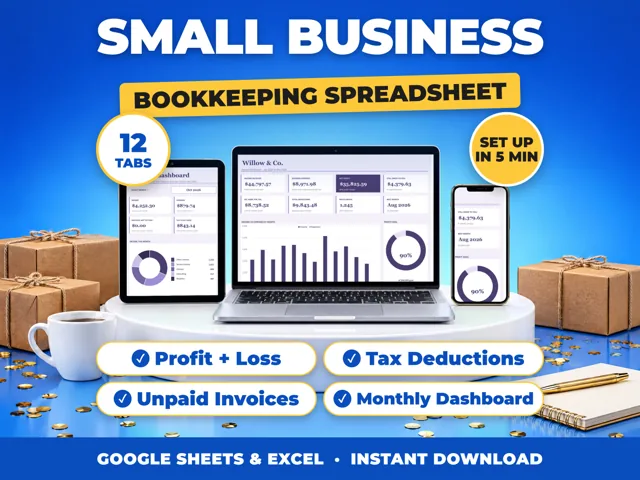
Tools and spreadsheets for this

Related questions
- Do I need a separate bank account for my small business?
- How do I get an EIN for my business and does it cost anything?
- How do I register a business name (DBA)?
- How do I pay myself from my small business?
- How do I separate personal and business expenses when I use one card?
- How much does it cost to start a small business?
All questions on ProfitDrawer Answers →
General information, not tax, legal or financial advice. Check the rules for your state and your situation.