
Set a grocery limit from your budget, track what you actually spend against it, and shop with a plan. The Consumer Financial Protection Bureau suggests tracking spending for a week or a month, setting a weekly limit, and shopping by unit price, since larger packages do not always save money. ProfitDrawer's zero-based budget guide plans $520 a month for groceries in its $4,200 example budget, about $120 a week.
Steps that help:
- Find your real number. Add up the last one to three months of grocery spending from receipts or statements.
- Set a monthly limit in your budget, then split it into weekly amounts. The CFPB suggests checking your balance and setting a limit before you shop.
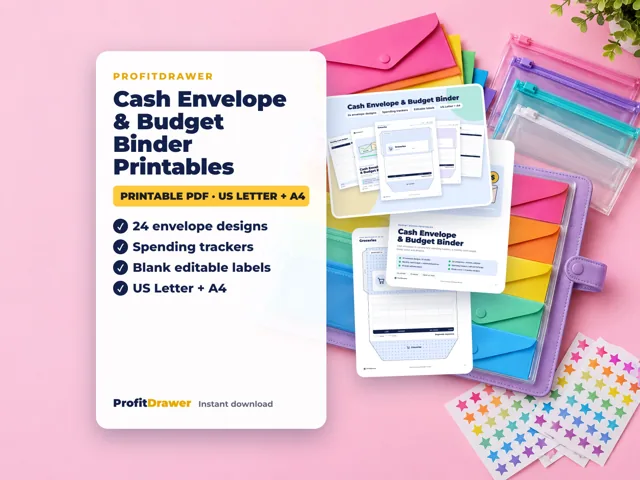
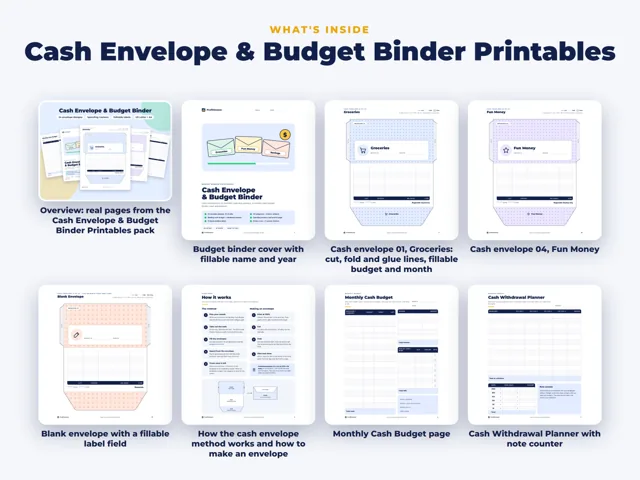
- Use cash or an envelope for groceries if cards make it easy to overspend; when it is empty, the category is done or you move money on purpose.
- Plan meals and write a list before you go, using what you already have.
- Compare unit prices. The CFPB notes that larger quantities sometimes do not save money.
- Pack lunches. The CFPB says packing lunch is almost always cheaper than eating at a restaurant.
- Compare actual to plan each week and adjust next month's number.
Keep household items, dining out and coffee in their own categories, so the grocery line shows only groceries. A realistic limit you can keep works better than a low one you break by the second week.
Source: Consumer tips for managing spending (Consumer Financial Protection Bureau) · Updated
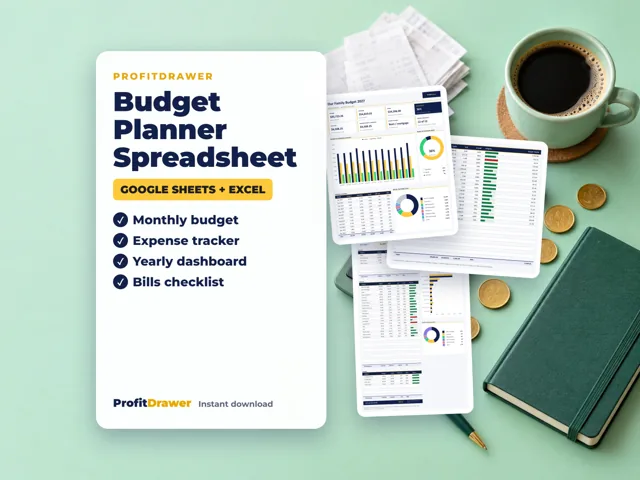
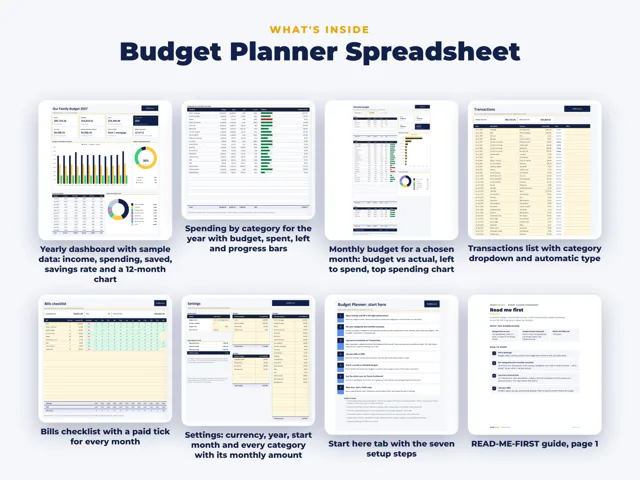
Tools and spreadsheets for this
Related questions
All questions on ProfitDrawer Answers →
General information, not tax, legal or financial advice. Check the rules for your state and your situation.