
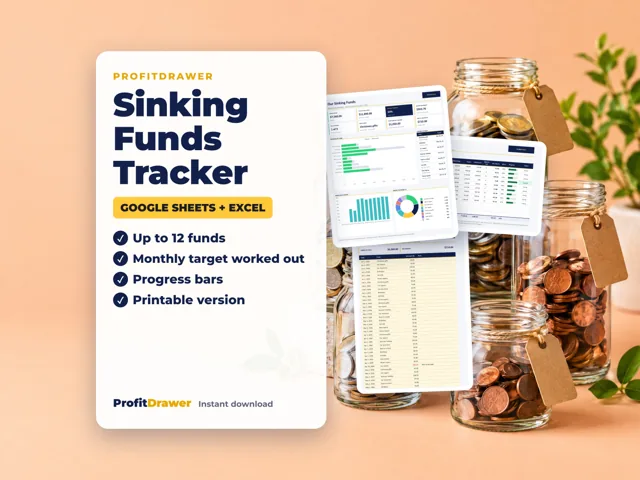
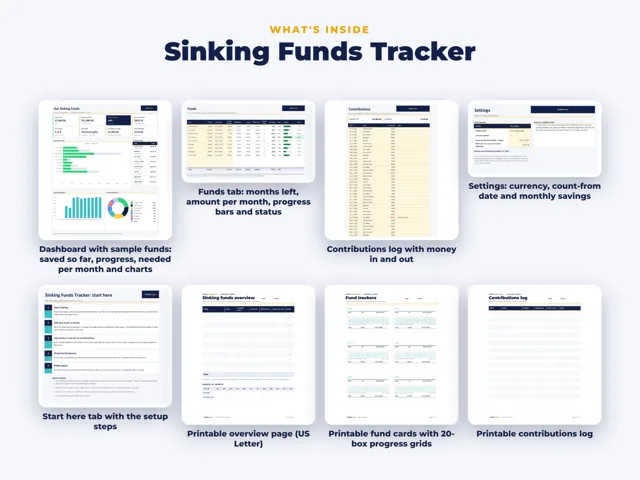
List the costs that do not come monthly, estimate each one, and save a fixed amount toward them every month so the bill is already covered when it arrives. ProfitDrawer's zero-based budget guide gives car repairs their own $50 monthly line in a $4,200 example budget. A Consumer Financial Protection Bureau booklet suggests automatically depositing a monthly amount into savings so lump-sum payments like car insurance are already saved.
Step by step:
- Look back a year. Go through statements for car repairs, registration, tires, yearly insurance, school costs, gifts and medical bills.
- Split known from unknown. A registration fee has a date; a repair does not. Give dated costs a monthly amount: cost divided by months until due.
- Estimate the unknown ones from what they cost you last year, then divide by 12.
- Add each as a budget line, before flexible spending.
- Automate the transfer on payday if you can, into savings or a separate account.
- Pay the bill from that money when it comes, then keep saving for the next one.
Example: if car repairs and maintenance cost you $600 last year, $600 / 12 = $50 a month, the car repairs line in ProfitDrawer's example budget.
Keep a separate emergency fund for true surprises such as a job loss. The CFPB booklet suggests starting a rainy day fund with $500 as a goal, and calls using it for an unexpected expense a success, not a failure, as long as you plan to refill it.
Source: Building your savings? Start with small goals (Consumer Financial Protection Bureau) · Updated
Tools and spreadsheets for this
Related questions
All questions on ProfitDrawer Answers →
General information, not tax, legal or financial advice. Check the rules for your state and your situation.