
Not if the information is accurate and current. The FTC says no one promising to repair your credit can legally remove accurate, current negative information; it comes off only as it ages, and most negative items stay on a report for 7 years, bankruptcy for 10 years. A company can help you dispute errors, which you can do yourself for free. ProfitDrawer's credit repair business guide builds a legitimate service around that limit, with no promised removals or score changes.
What a credit repair company can and cannot do:
- It can help you read your reports, find errors and send disputes to the credit bureaus and the businesses that reported the information.
- It cannot legally remove accurate, current negative items, and anything it can legally do, you can usually do yourself for little or no cost.
Your rights under the Credit Repair Organizations Act, per the FTC:
- A company cannot lie about what it can do or charge you before it performs the services.
- You must get a written contract listing the services, how long results will take, the total cost and any guarantees.
- You can cancel without penalty within 3 business days of signing.
Disputing on your own: write to the credit bureau and to the business that reported the item, explain the error and include copies of proof. The FTC has sample letters.
One exception to the time limits: older negative information can still appear in checks for a job paying more than $75,000 a year, or for credit or insurance of more than $150,000.
Be wary of any company that asks for payment up front or promises to erase accurate items. General information, not legal advice.
Source: Fixing Your Credit FAQs (FTC Consumer Advice) · Updated
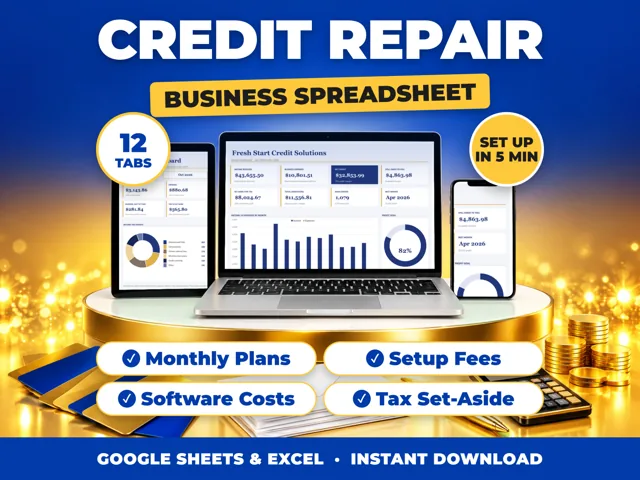
Tools and spreadsheets for this

Related questions
- Do you need a license to start a credit repair business?
- Is a debt consolidation loan a good idea?
- Why is it hard to get out of debt paying only the minimum payment?
- What is the difference between the debt snowball and debt avalanche?
- Should I save or pay off debt first?
- How much does it cost to start a small business?
All questions on ProfitDrawer Answers →
General information, not tax, legal or financial advice. Check the rules for your state and your situation.