
There is no single good profit margin; it depends on your trade, your costs and local prices. ProfitDrawer's price per job calculator notes that many service business owners start with a margin of 10% to 30% on top of paying themselves, then adjust to their market and how busy they are. Track your own net margin each month: $8,000 of income and $6,800 of expenses, including your pay, is a 15% margin.
How to judge your margin:
- Count your own pay first. A 40% margin that includes no pay for your time may really mean the business is paying you a low hourly rate. Margin after a fair wage for yourself is the number that shows whether the business itself is profitable.
- Compare against your own past months, not only other businesses. A steady or rising margin is a good sign; a falling one means costs are rising faster than prices.
- Product businesses should count materials, packaging, shipping and selling fees in the cost of each item.
- Busy but low margin? Raise prices, cut travel between jobs, or drop the least profitable services before adding more work.
If your margin is negative after paying yourself, you are funding the business from your own time or savings. Check your prices with a price per job calculation and review overhead line by line.
Source: Price Per Job Calculator for Service Businesses · Updated
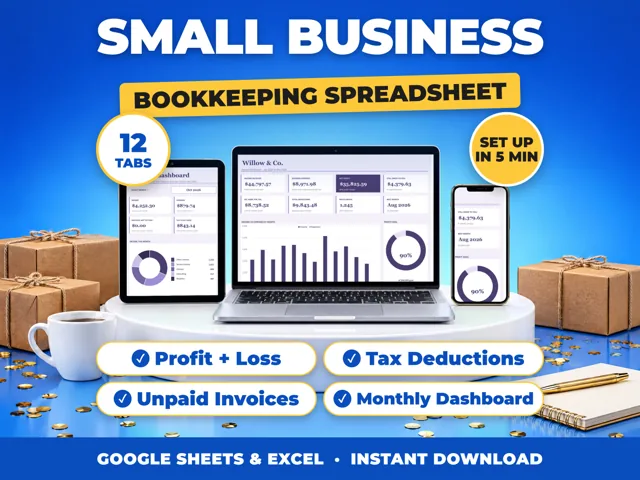
Tools and spreadsheets for this


Related questions
- How do I calculate profit margin for my small business?
- What is the difference between markup and margin?
- How do I price a service job so I make a profit?
- How do I know if my small business is actually making money?
- How do I set a monthly profit goal for my business?
- How do I calculate my break-even point?
All questions on ProfitDrawer Answers →
General information, not tax, legal or financial advice. Check the rules for your state and your situation.