
Update your books at least once a week and review them once a month. ProfitDrawer's expense tracking guide suggests a fixed weekly slot of about 15 minutes to enter sales and receipts, then about 5 more minutes at month end to check profit and set aside tax. IRS Publication 463 says records made at or near the time are strongest, and a weekly mileage log can count as timely.
A rhythm that works for most small businesses:
- Weekly (about 15 minutes): enter new income and expenses from your bank account and receipts folder, log trips, and mark invoices that were paid.
- Monthly: check income minus expenses, look at the biggest categories, follow up on unpaid invoices and move a share of profit into tax savings.
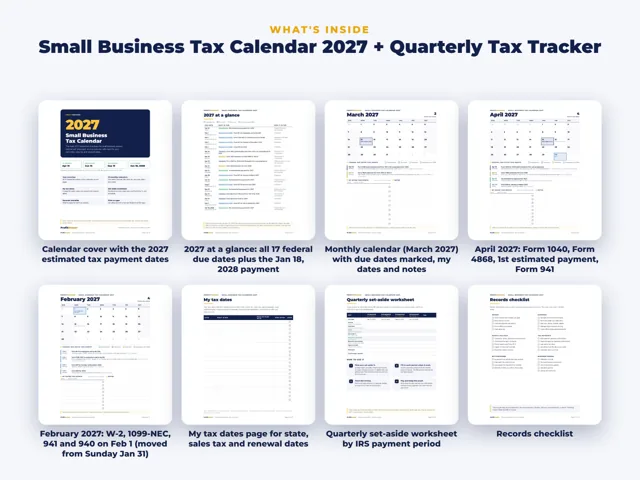
- Quarterly: total the quarter for estimated tax. For tax year 2027 the payments are due April 15, June 15 and September 15, 2027, and January 18, 2028.
- Yearly: total everything by category, gather receipts and the mileage log, and give them to whoever prepares your return.
If you only update once a year, receipts go missing and mileage gets guessed, which can cost you deductions. If you are months behind, catch up one month at a time, starting with bank statements.
General information, not tax advice.
Source: How to Track Business Expenses: A Simple System for Small Business Owners · Updated
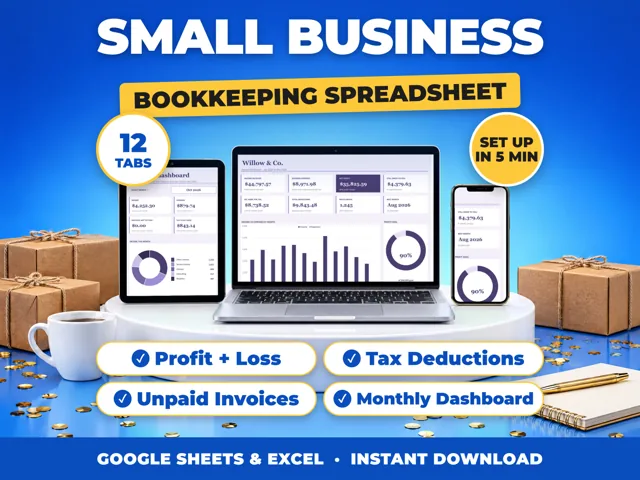
Tools and spreadsheets for this


Related questions
- How do I keep track of business expenses as a small business owner?
- How do I do bookkeeping for a small business myself?
- What records do I need to keep for business mileage?
- When are quarterly estimated tax payments due in 2027?
- How do I know if my small business is actually making money?
- How do I keep track of business expenses in a spreadsheet?
All questions on ProfitDrawer Answers →
General information, not tax, legal or financial advice. Check the rules for your state and your situation.