
Run every business purchase through one separate business account, save a copy of each receipt the same day, and record each expense once a week with its date, payee, category and amount. ProfitDrawer's expense tracking guide says this habit takes about 15 minutes a week. The IRS lets you use any recordkeeping system that clearly shows your income and expenses, and in most cases you keep the records for 3 years from filing.
A simple system has five parts:
- One business account. Your statement becomes a first draft of your expense list.
- About 10 categories used all year, such as supplies, equipment, vehicle and fuel, advertising, software, insurance, licenses and fees, contract labor, phone and internet, and other.
- Same-day receipts. Photograph paper receipts into a folder named by month (for example
2027-03) and file email receipts in one place. For cash with no receipt, note the date, amount, payee and reason. - A weekly update. Add each new expense as one row in a spreadsheet or ledger.
- A monthly review. Income minus expenses gives the month's profit; move a share into savings for tax.
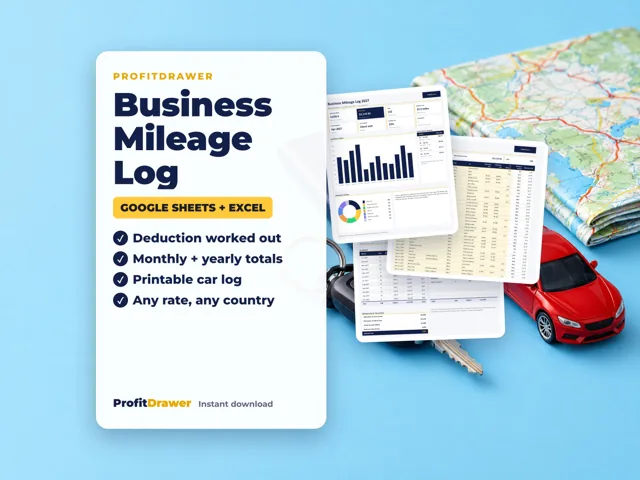
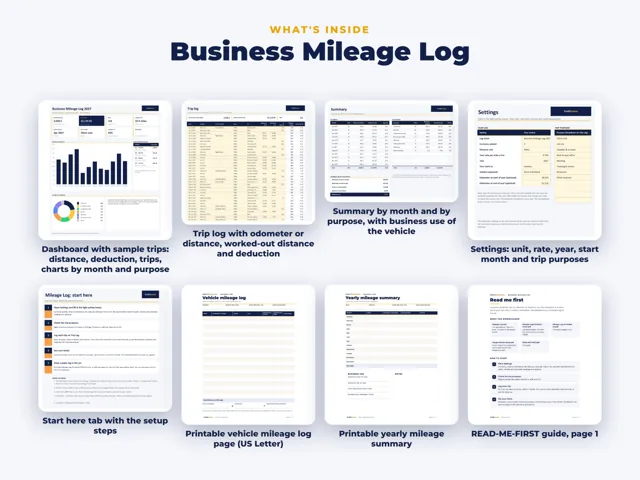
If you drive for work, log each trip as you go, since mileage is often a large deduction. Lost receipts cost money: $1,500 of unrecorded supplies overstates self-employment tax by about $211.94 (1,500 x 0.9235 x 0.153), before income tax.
General information, not tax advice.
Source: How to Track Business Expenses: A Simple System for Small Business Owners · Updated
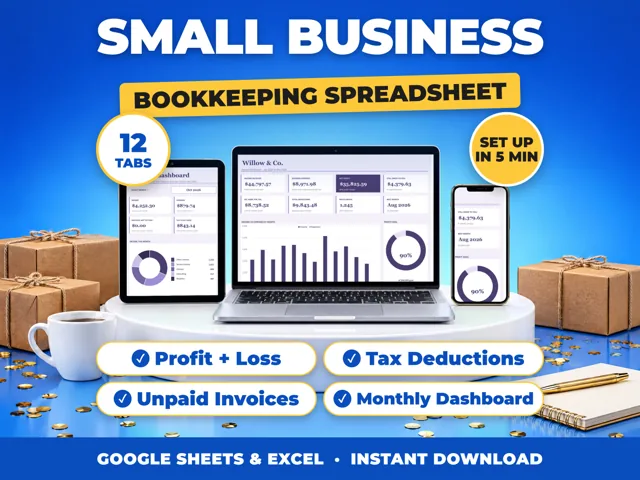
Tools and spreadsheets for this




Related questions
- How do I keep track of business expenses in a spreadsheet?
- How long should a small business keep tax records and receipts?
- Do I need a separate bank account for my small business?
- What records do I need to keep for business mileage?
- How often should I update my business books?
- What business expenses are tax deductible?
All questions on ProfitDrawer Answers →
General information, not tax, legal or financial advice. Check the rules for your state and your situation.