
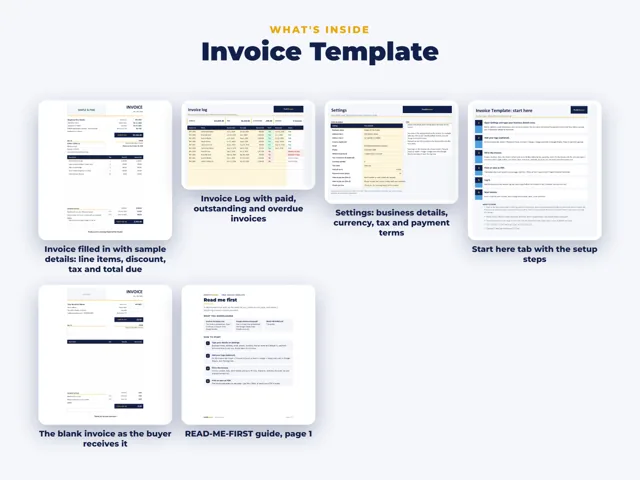
Keep a list of every invoice you send with the client, invoice number, date, due date, amount and a paid or unpaid status, and check it weekly. Money owed to you is called accounts receivable. Under the cash method, IRS Publication 334 (2025) says you report income when you actually or constructively receive it, not when you invoice. A ProfitDrawer bookkeeping spreadsheet marks each income row Paid? Yes or No and flags unpaid invoices at 30 and 60 days.
Set up the list:
- Record each invoice the day you send it, with its due date.
- Change it to paid only when the money reaches your account.
- Note partial payments and what is still owed.
Watch three numbers: total owed, the amount more than 30 days late, and which clients pay late most often.
Collect on a schedule. A reminder at the due date, a call at 30 days and a firmer notice at 60 days is a common pattern. The SBA's finance guide lists accounts receivable among the jobs someone in the business must manage.
Tax points for cash-method businesses:
- An unpaid invoice is not yet income.
- A valid check received by year end counts as received, even if you deposit it in January.
- You cannot take a bad debt deduction for an amount you never received and never included in income.
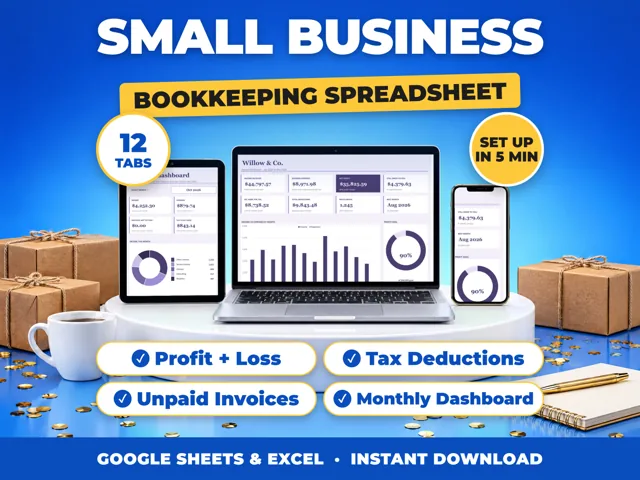
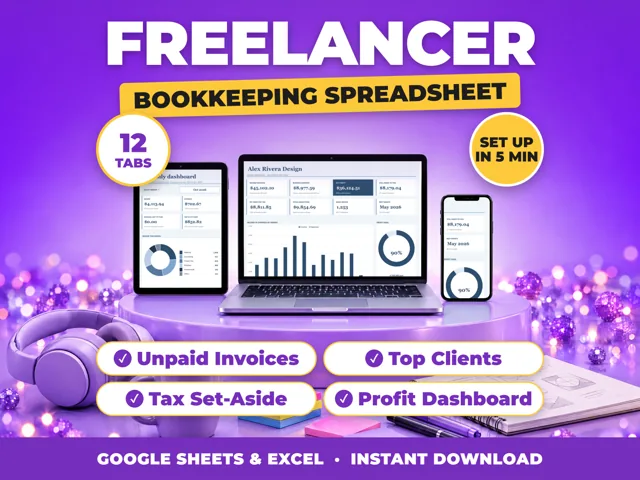
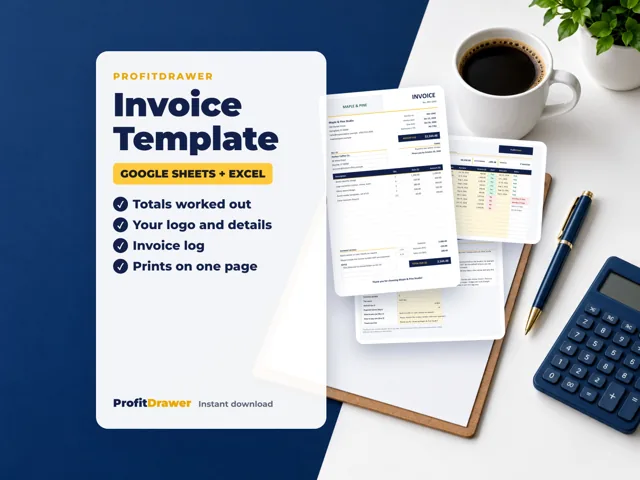
In a ProfitDrawer spreadsheet, the Unpaid Invoices tab lists up to 40 unpaid invoices and the Top Clients tab shows amounts still owed per client. It tracks invoices; it does not create them. General information, not tax advice.
Source: IRS Publication 334 (2025): Tax Guide for Small Business · Updated
Tools and spreadsheets for this


Related questions
- How do I keep track of unpaid invoices?
- What is the difference between cash and accrual accounting?
- What is cash flow in a small business?
- How do I use conditional formatting to highlight overdue invoices?
- How do I record cash payments from customers?
- How do I keep track of business expenses as a small business owner?
All questions on ProfitDrawer Answers →
General information, not tax, legal or financial advice. Check the rules for your state and your situation.