
Start with one shared picture: both incomes, all bills and their due dates, debts and savings. The Consumer Financial Protection Bureau suggests couples schedule time to review income, expenses, debt and investments together, and offers 6 questions, such as whether you both know what payments the household makes and when bills are due. ProfitDrawer's zero-based budget guide then assigns every dollar of the combined take-home pay.
Steps:
- Take inventory together: income, bills, debts, savings and every account. The CFPB also suggests keeping a secure list of account information that both partners can access.
- Agree on shared costs: rent, utilities, groceries, insurance and joint goals.
- Choose how to split them. Common options are pooling everything, a shared account for joint bills with separate personal accounts, or splitting by income share. Example: incomes of $3,000 and $2,000 are a 60/40 split, so $2,000 of shared bills is $1,200 and $800.
- Give each person personal spending money that needs no discussion.
- Set shared goals, such as an emergency fund or paying off a card.
- Meet monthly to compare plan and actual and adjust.
Make sure both partners know how bills are paid. The CFPB points out that if responsibilities suddenly shift because of illness or loss, the partner less familiar with the money can struggle to catch up.
Source: Share financial information with your spouse now to avoid problems later (CFPB consumer advisory, May 2018) · Updated
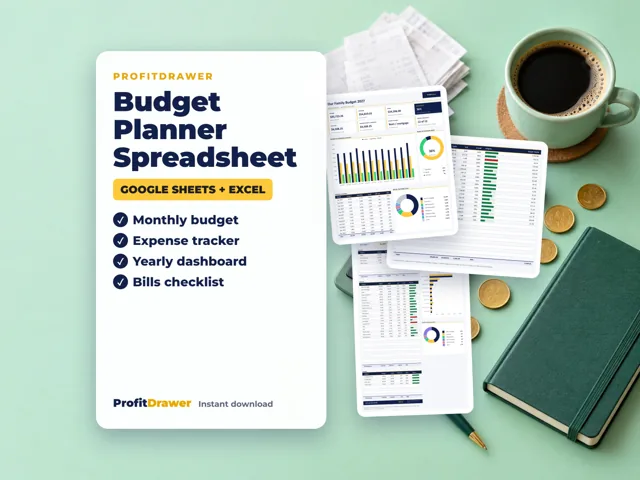
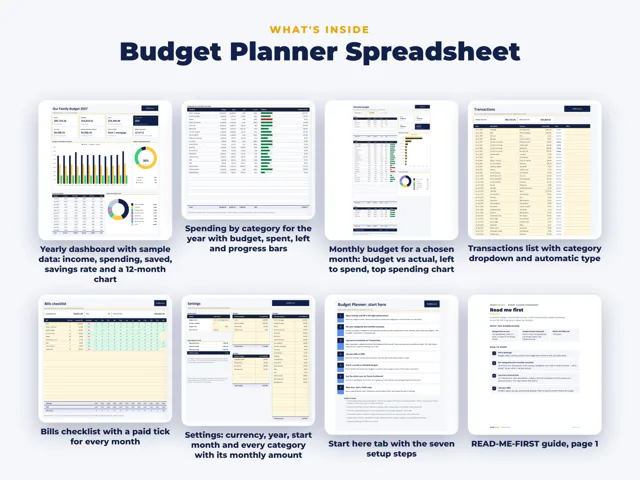
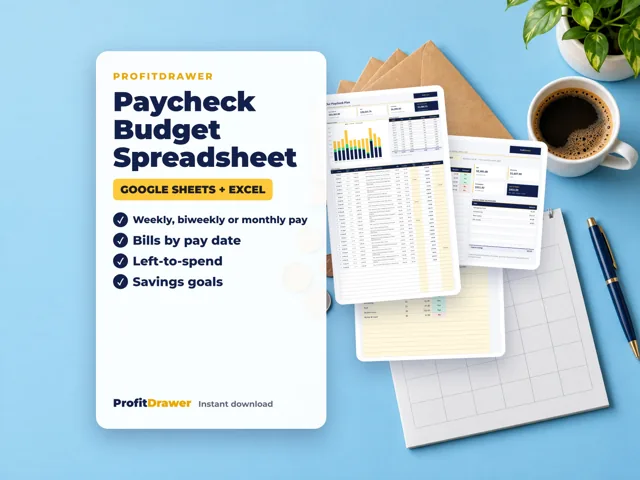
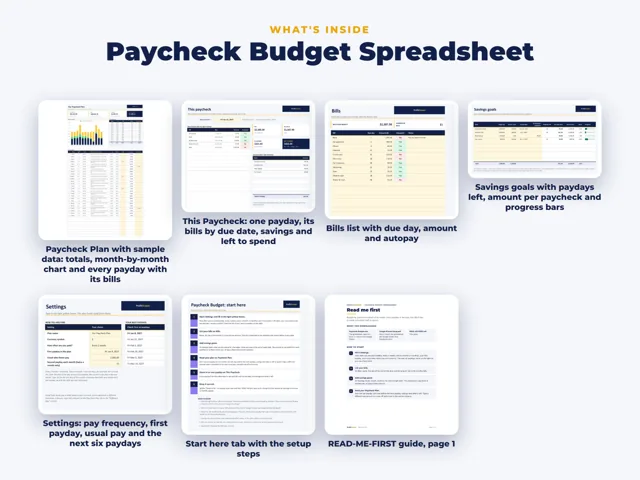
Tools and spreadsheets for this
Related questions
All questions on ProfitDrawer Answers →
General information, not tax, legal or financial advice. Check the rules for your state and your situation.