
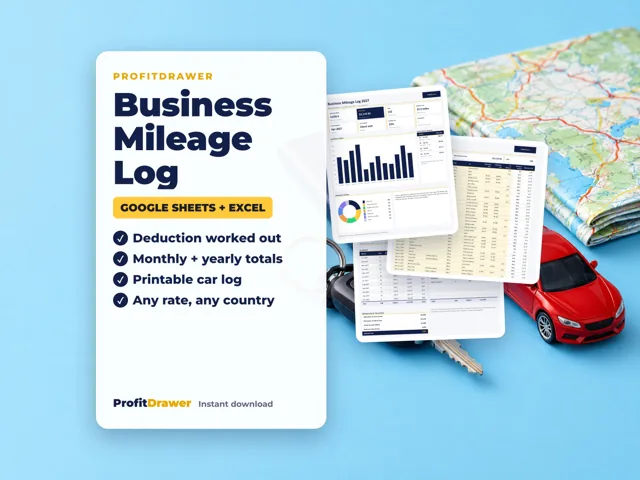
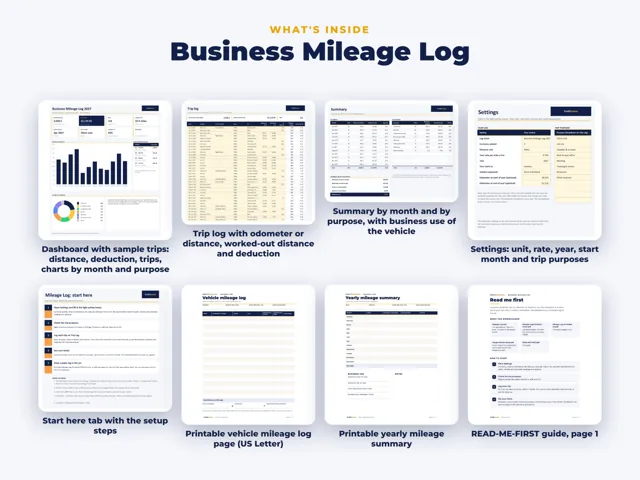
Usually not for the same car. For a car you own, you can use the standard mileage rate only if you chose it in the first year the car was available for use in your business, so starting with actual expenses rules it out later. Starting with the standard rate lets you pick either method in later years. The 2026 rate is 72.5 cents per mile through June 30 and 76 cents from July 1. A ProfitDrawer mileage log tracks business miles.
Rules from IRS Publication 463 (2025):
- Owned car: make the choice by the due date (including extensions) of your return for the first year of business use. It cannot be revoked, but in later years you may choose either method.
- You cannot use the standard rate if you use five or more cars at the same time, or if you claimed MACRS depreciation, a section 179 deduction, the special depreciation allowance, or any depreciation method other than straight line on the car.
- Leased car: if you choose the standard rate, you must use it for the entire lease period, including renewals. If you claimed actual expenses after 1997 for a leased car, you cannot use the standard rate.
- Standard to actual later: if the car is not fully depreciated, you use straight-line depreciation over its estimated remaining useful life, not MACRS.
With the standard rate you can still deduct business parking fees and tolls. Earlier rates: 70 cents (2025) and 67 cents (2024).
General information, not tax advice.
Source: IRS Publication 463 (2025), Travel, Gift, and Car Expenses · Updated
Tools and spreadsheets for this

Related questions
- What is the IRS standard mileage rate for business in 2026?
- Can I write off my car as a business expense?
- What records do I need to keep for business mileage?
- Does the ProfitDrawer spreadsheet track mileage?
- When are small business taxes due in 2027?
- What is self-employment tax and how much is it in 2026?
All questions on ProfitDrawer Answers →
General information, not tax, legal or financial advice. Check the rules for your state and your situation.