
To start a photography business, choose one niche you can shoot well, register the business with your city, county and state, and build a small portfolio in that niche. Then set a session price from your real costs and time, book your first paying clients through people you know, and track every dollar in and out from day one so tax time is easy.
That is the whole plan in two sentences. The rest of this guide walks through each step with the words, costs and numbers a new photographer actually needs.
Step 1: Pick your niche and your services
"Photographer" is too wide to market. Clients search for a specific job: a family photographer, a newborn photographer, a real estate photographer, a headshot photographer. Picking one main niche makes every later step easier, from the gear you buy to the price you charge.
Common starting niches and what they need:
- Portraits and families: outdoor sessions, golden hour, one fast prime lens, simple editing. Low gear cost, steady demand.
- Real estate: wide angle lens, tripod, bracketed exposures, fast turnaround. Repeat clients (agents) once you are reliable. Flying a drone for paid work has its own federal rules, so check them before you offer aerials.
- Headshots and small business branding: a simple lighting kit and a backdrop. Works well in town centers.
- Events and weddings: two camera bodies, backup cards, contracts, long days. Higher prices, higher risk. Many photographers second shoot for someone else before taking their own weddings.
- Products: for online sellers. Needs a light tent or table, consistent lighting and batch pricing.
Write down the two or three session types you will sell first, for example "1 hour portrait session, 30 minute mini session, real estate listing up to 25 photos." Keep the menu short.
Step 2: Check local requirements
Licensing for photographers is set locally, so the answer to "do I need a business license" depends on where you live. The SBA's licenses and permits page explains that most businesses need some mix of state and local permits. Check with your city, county and state for:
- A general business license or business tax registration.
- A sales tax permit if you sell prints, albums or digital products. Some states also tax photography services, so ask your state's revenue department.
- A home business or zoning permit if clients will visit a home studio.
- Location permits for shooting in some parks or public places.
Next, decide on a structure. Many photographers start as a sole proprietor and register a "doing business as" name if they use a studio name. Others form an LLC with their state. The SBA's register your business page covers the options. If you need an EIN, the IRS issues it for free on its EIN page. Open a separate bank account so business and personal money never mix.
Also get a written contract for every booking (what you deliver, when, how many images, who owns the copyright and what the client may do with the photos) and look at liability and equipment insurance.
Step 3: Work out your startup costs
Here is an example budget for a portrait photographer who already owns a camera. Your costs will differ, so treat these as placeholders to replace with real quotes.
| Item | Low | High |
|---|---|---|
| Second lens or upgraded lens | $0 | $1,500 |
| Extra memory cards and batteries | $60 | $250 |
| Backup drives and cloud storage (first year) | $100 | $400 |
| Editing software (first year) | $0 | $300 |
| Simple lighting kit or reflector | $40 | $600 |
| Website, domain and online gallery (first year) | $100 | $500 |
| Business registration and license | $50 | $400 |
| Liability and gear insurance (first year) | $200 | $800 |
| Contract template and printed cards | $30 | $200 |
| Total | $580 | $4,950 |
Plug your own numbers into the free startup cost calculator to see the total and how many sessions it takes to earn it back. If you are starting with no camera at all, add a body and a lens to the list before you decide on a launch date.
Step 4: Price your sessions with real arithmetic
New photographers often underprice because they only count the hour behind the camera. A session also includes emails, travel, culling, editing and delivery. Here is a worked example for a 1 hour family portrait session with 30 edited images:
- Time: 1 hour shoot + 0.5 hour travel + 3 hours culling and editing + 0.5 hour emails and delivery = 5 hours.
- Pay yourself $40 an hour: 5 x $40 = $200.
- Direct costs: mileage 20 miles x $0.725 = $14.50, online gallery share $5, card and drive wear $5 = $24.50.
- Overhead share (insurance, software, website, about $1,800 a year spread over 60 sessions): $1,800 / 60 = $30.
- Cost before profit: $200 + $24.50 + $30 = $254.50.
- Add 15% profit: $254.50 x 1.15 = $292.68, so round to $300.
Mileage in that example uses the IRS 2026 business rate of 72.5 cents per mile for January to June. The IRS raised it to 76 cents per mile for July to December 2026 (IRS standard mileage rates), and you should check the 2027 rate on irs.gov when it is announced. You can run the same math for any session type with the free price per job calculator.
Once the base price is set, decide what is extra: additional images, rush delivery, prints, a second location, travel beyond a set distance.
Step 5: Get your first paying clients
You do not need a big advertising budget. Most first clients come from people who already know you.
- Build a portfolio in your niche. Do 5 to 10 practice or low cost shoots with a written model release so you can show the photos.
- Tell everyone you know. Post your new menu and a few favorite images on your personal pages and ask friends to share.
- Set up a free business listing on map search so local "photographer near me" searches can find you, and ask every happy client for a review.
- Run a mini session day. Twenty minute sessions at one location on one day fill a calendar fast and bring in referrals.
- Partner locally. Real estate photographers pitch agents; family photographers partner with kids' boutiques; headshot photographers pitch coworking spaces.
Step 6: Track your money and taxes from day one
A photography business spends money in small, easy to forget pieces: lens rentals, cards, gallery plans, mileage to sessions, prints. Record each one when it happens. The IRS recordkeeping page says any system that clearly shows your income and expenses can work, so a simple spreadsheet is fine.
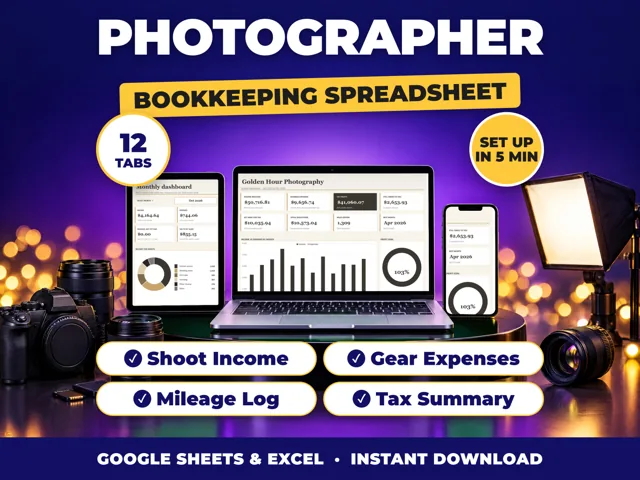
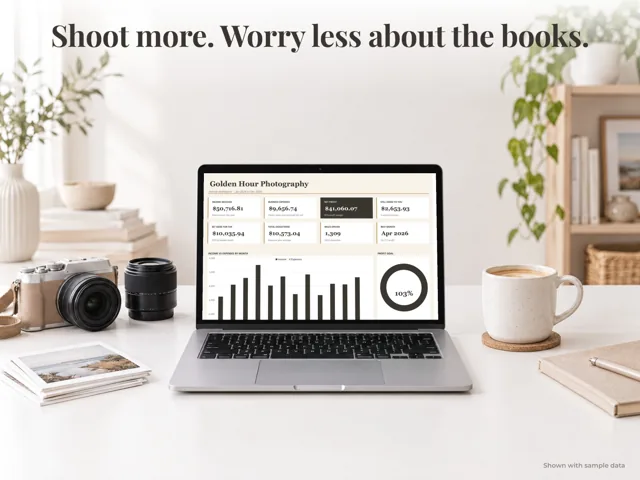
A spreadsheet like the photographer bookkeeping spreadsheet gives you Income, Expenses, Mileage and Unpaid Invoices tabs, a dashboard, a Top Clients list, a Monthly Summary and a Quarterly and Tax Summary, in Excel or Google Sheets. Our guide on how to track business expenses explains a simple weekly routine.
On taxes: as a self-employed photographer you generally pay self-employment tax of 15.3% (Social Security and Medicare) on net earnings of $400 or more, in addition to income tax (IRS self-employment tax). If you expect to owe $1,000 or more, the IRS generally expects quarterly estimated payments (IRS estimated taxes). See the 2027 small business tax deadlines and use the free self-employed tax calculator to estimate how much to set aside from each session. This is general information, not tax advice.
A simple 30 day launch plan
Week 1: Decide and register. Pick your niche and session menu. Check city, county and state licensing. Register your name or LLC, get an EIN if you need one, open a business bank account.
Week 2: Build the base. Finish your contract and model release. Buy only the gear gaps on your list. Set up backups. Do 2 or 3 portfolio shoots.
Week 3: Set prices and go public. Run your pricing math, publish a simple website or gallery page, set up your map listing, and announce your launch to friends and family.
Week 4: Book and track. Book your first paid sessions or a mini session day, ask for reviews, and record every dollar in your bookkeeping spreadsheet. Set aside a share of each payment for taxes.
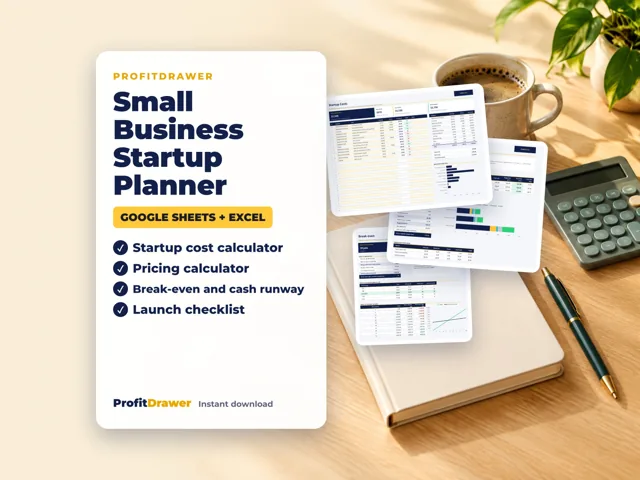
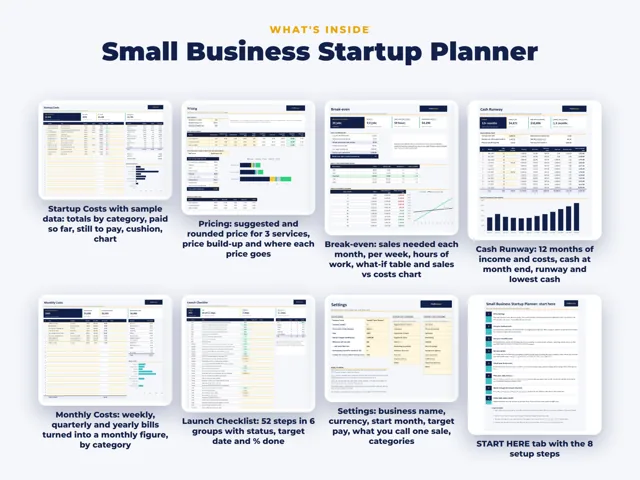
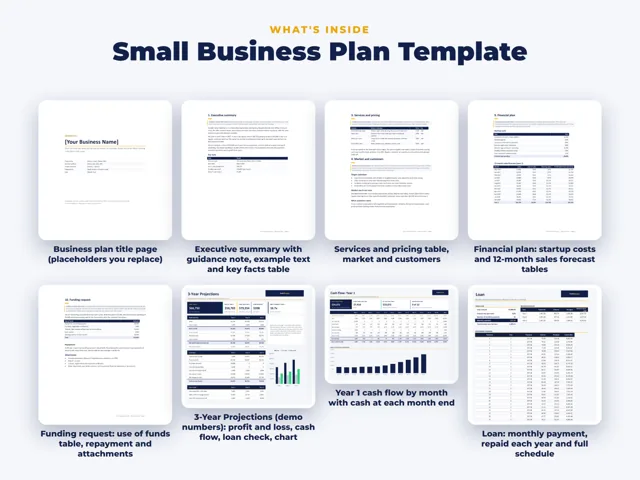
If you want everything in one place before you launch, the small business startup planner and the small business plan template help you put your costs, prices and plan on paper.
Tools for this




Questions people ask
How much does it cost to start a photography business?
It depends on the gear you already own. If you have a camera body and one good lens, you can often launch for a few hundred to a couple of thousand dollars in editing software, backup drives, a website, insurance and registration. Starting from nothing, a second body, extra lenses and lighting can push the total well past that. Write your own list with the free startup cost calculator before you buy anything.
Do freelance photographers need a business license?
Often yes, but the rules come from your city, county and state, not one national license. Many places require a general business license or a tax registration, and some require a sales tax permit if you sell prints or products. Check your city and county website and your state's business portal before you take paid work.
How do photographers make money?
Most photographers earn from booked sessions and events (portraits, families, weddings, real estate, headshots), then add income from prints, albums, licensing and mini session days. The steady earners usually pick one or two niches and build repeat or referral clients inside them.
Can I start a photography business with no experience?
You can, but build skill and a portfolio first. Practice with friends and family, offer a small number of free or low cost shoots in exchange for permission to use the photos, and only raise prices once your portfolio shows the work you want to be hired for.
How much should I charge for a photo session?
Start from your costs and your time, not from what others charge. Add up shooting time, travel, editing, delivery and a share of your gear and software, then add your profit. The worked example in this guide shows a 1 hour portrait session that comes out at about $300.
Sources
General information, not tax, legal or financial advice. Check the rules for your state and your situation.