
It depends on your state and the services you offer. Licensing for home care is set mainly at the state level, and non-medical help such as companionship and meal preparation may be treated differently from home health care with skilled medical services. ProfitDrawer's home care guide says to ask your state health department or care licensing agency, and your city or county about a general business license. Its example budget allows $0 to $2,000 for state license fees.
A simple checklist from the guide:
- Ask your state whether your services need a home care license, and what training, background checks or inspections come with it.
- Ask your city and county about a general business license. The SBA says most small businesses need a mix of federal and state licenses and permits, and you may also need county or city licenses.
- Pick a structure (sole proprietorship or LLC) and register your business name, or a DBA with your county.
- Get a free EIN from the IRS. You need one to hire employees.
- Buy insurance. General and professional liability are common starting points. Ask about bonding and, if you hire, workers' compensation.
- Write a client service agreement listing services, hours, rates and how to cancel, and have a local lawyer review it.
The guide's example budget lists $100 to $800 for business registration and local licenses, plus $0 to $2,000 for state home care license fees where a state has them. Some licenses expire, so note renewal dates. Rules differ by state, so treat this as general information, not legal advice.
Source: Apply for licenses and permits (U.S. Small Business Administration) · Updated
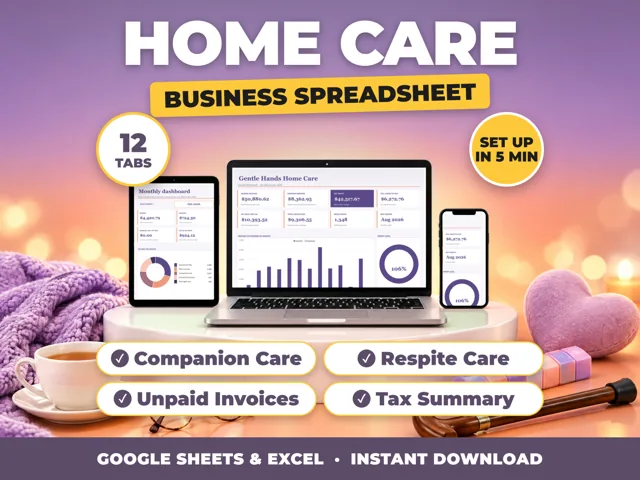
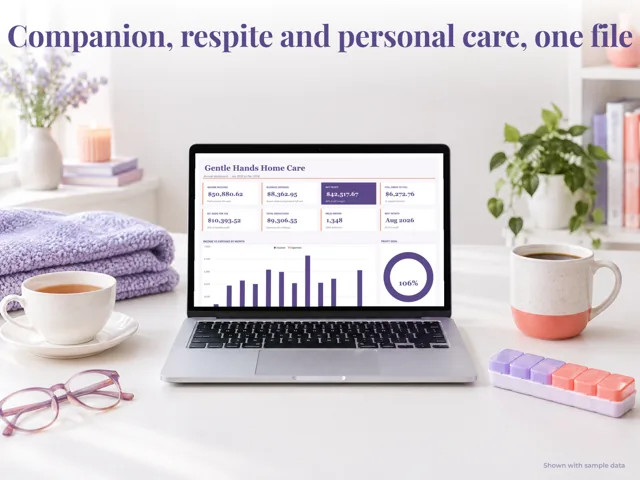
Tools and spreadsheets for this
Related questions
- What licenses are needed to start a cleaning business?
- How do I get an EIN for my business and does it cost anything?
- Do I need insurance for a small service business?
- Is non-medical transportation the same as NEMT?
- Do I need an LLC to start a small business?
- How much does it cost to start a small business?
All questions on ProfitDrawer Answers →
General information, not tax, legal or financial advice. Check the rules for your state and your situation.