
Most cleaning businesses need a general business license from their city or county, and some states also require a state registration or a sales tax permit. The SBA says requirements depend on your activity and location, so check with your city, county and state before the first paid job. ProfitDrawer's cleaning business guide also lists a DBA if you use a business name, an EIN if you hire, which costs $0 from the IRS, and general liability insurance.
A practical checklist:
- Business structure. Many cleaners start as sole proprietors; an LLC is optional and has a state filing fee.
- DBA. If your business name is not your legal name, most states require you to register it.
- City or county business license. Ask your city or county clerk; some places also check home business zoning.
- State rules and sales tax. Ask your state revenue department whether cleaning services are taxable where you work.
- EIN. Free from the IRS. You need one to hire employees or form a partnership or corporation.
- Insurance. General liability is the usual starting point since you work in clients' homes. If you hire, workers' compensation rules apply in most states, and some commercial clients ask for a janitorial bond.
Specialty work such as carpet cleaning, biohazard or post-construction cleaning can come with extra state or local rules, so ask before offering it.
Keep license numbers and renewal dates with your business records. General information, not legal advice.
Source: Apply for licenses and permits (U.S. Small Business Administration) · Updated
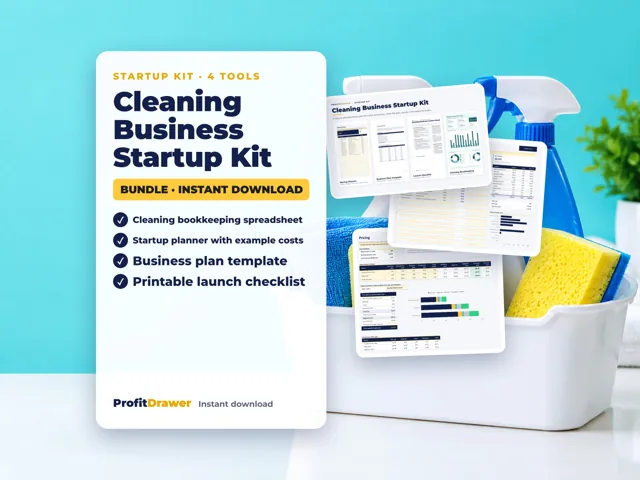
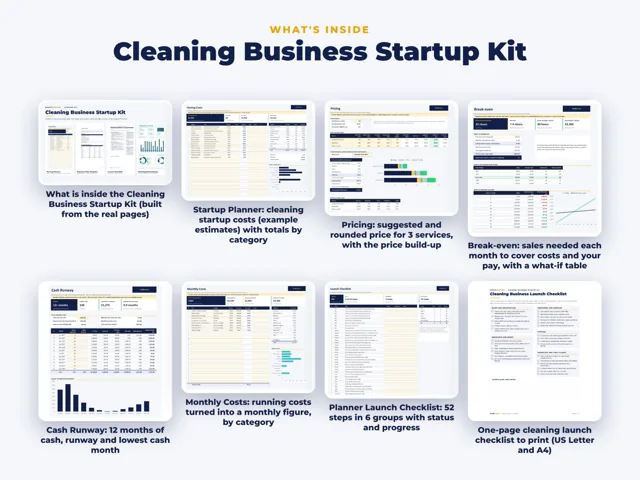
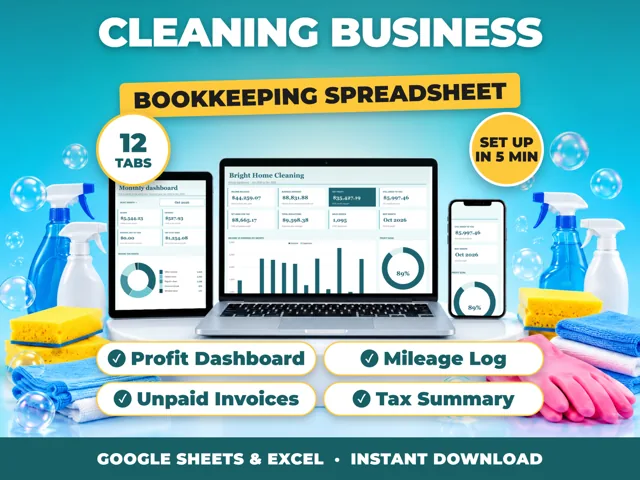
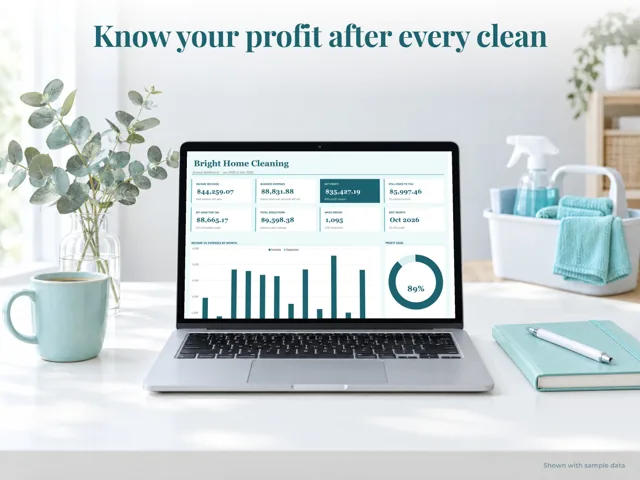
Tools and spreadsheets for this
Related questions
- How much does it cost to start a cleaning business?
- Do I need a business license to sell online?
- Do I need an LLC to start a small business?
- How do I get an EIN for my business and does it cost anything?
- What is the difference between a sole proprietorship and an LLC?
- How much does it cost to start a small business?
All questions on ProfitDrawer Answers →
General information, not tax, legal or financial advice. Check the rules for your state and your situation.