
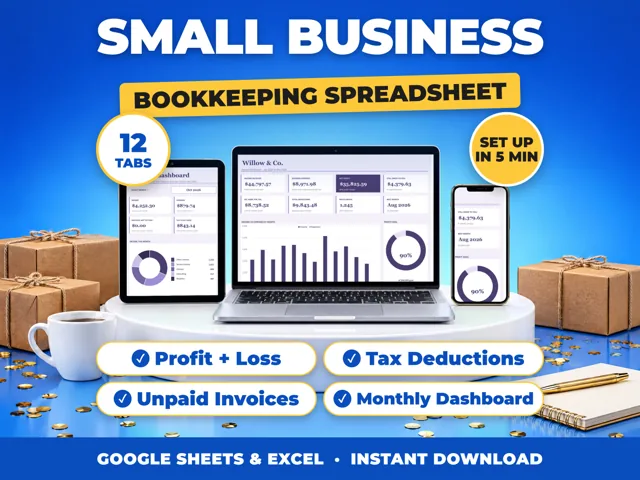
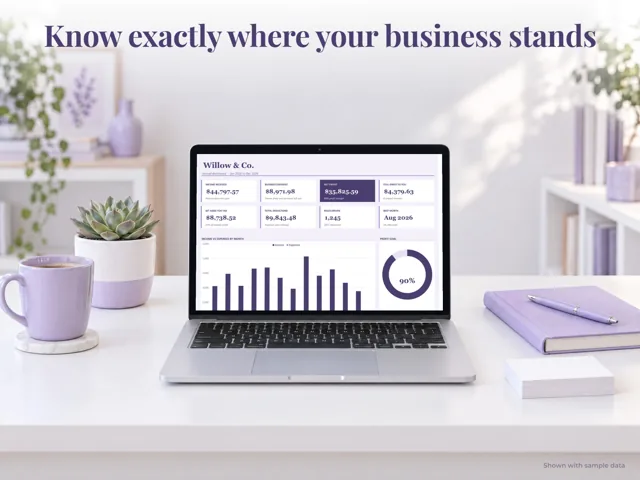
The de minimis safe harbor is a yearly IRS election that lets a business deduct small purchases of tangible property, such as tools or equipment, instead of capitalizing and depreciating them. Without an applicable financial statement the limit is $2,500 per item or invoice; with one, $5,000. The $2,500 limit has applied to tax years beginning on or after January 1, 2016, including 2025. A ProfitDrawer bookkeeping spreadsheet records each purchase with a receipt link.
How to use it (IRS tangible property regulations page and Publication 334, 2025):
- Expense the items in your books under a consistent policy in place at the start of the tax year. Without an applicable financial statement, the policy does not have to be written.
- Attach a statement titled "Section 1.263(a)-1(f) de minimis safe harbor election" to your timely filed original return (including extensions), with your name, address, taxpayer identification number and a statement that you are making the election.
- Report the amounts as other expenses in Part V of Schedule C.
Limits and exceptions:
- It does not cover inventory or land.
- Once elected, it applies to all purchases that meet its criteria that year.
- Amounts over the limit are not forced into capitalization by the election; they follow the normal rules.
- It is an annual election, not a change in accounting method, so you do not file Form 3115.
An applicable financial statement includes audited statements with a CPA report and statements required by a government agency other than the IRS. General information, not tax advice.
Source: IRS: Tangible property final regulations · Updated
Tools and spreadsheets for this
Related questions
- Can I deduct the cost of a laptop for my business?
- What business expenses are tax deductible?
- Do I need to keep paper receipts or are photos enough?
- How long should a small business keep tax records and receipts?
- When are small business taxes due in 2027?
- What is self-employment tax and how much is it in 2026?
All questions on ProfitDrawer Answers →
General information, not tax, legal or financial advice. Check the rules for your state and your situation.