
Record every stock purchase with its date, supplier and cost, count what is left at year end, and figure cost of goods sold: beginning inventory plus purchases and other product costs, minus ending inventory. Schedule C reports this on lines 35 to 42. For the 2025 tax year, IRS Publication 334 lets businesses with average gross receipts of $31 million or less skip formal inventories. ProfitDrawer bookkeeping spreadsheets total stock purchases but do not track item counts.
What to record:
- Purchases: each invoice or receipt for goods you resell or materials that go into products. IRS Publication 583 says the documents should show the amount paid and that it was for inventory.
- Other product costs: freight to bring stock in, and labor or materials that go into making products.
- Items taken for personal use: Publication 334 (2025) says to exclude their cost from purchases.
- Year-end count: quantity and cost of what is still unsold.
Cost of goods sold, simplified:
| Step | Example |
|---|---|
| Beginning inventory | $2,000 |
| + Purchases | $9,000 |
| - Ending inventory | $3,000 |
| = Cost of goods sold | $8,000 |
Small business exception. If you qualify, you can choose not to keep inventories, for example by treating them as non-incidental materials and supplies, but the method must still clearly reflect income. Ask a tax professional which method fits.
For item-by-item counts, use a separate stock list next to your bookkeeping file. General information, not tax advice.
Source: IRS Publication 334 (2025): Tax Guide for Small Business · Updated
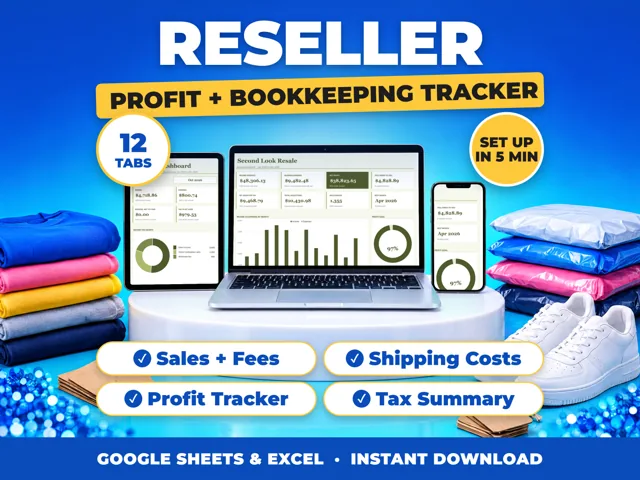
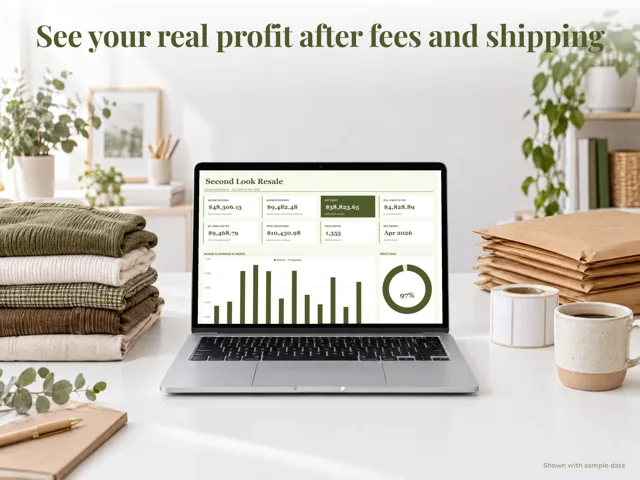
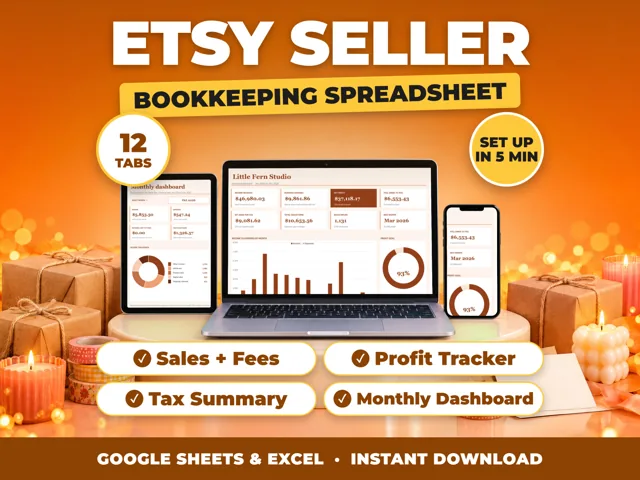
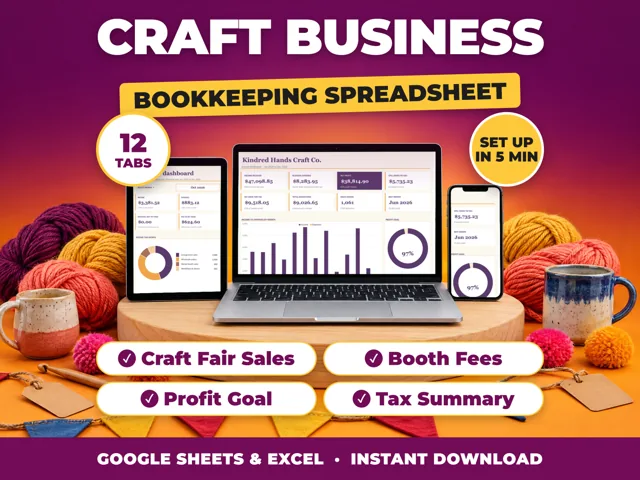
Tools and spreadsheets for this

Related questions
All questions on ProfitDrawer Answers →
General information, not tax, legal or financial advice. Check the rules for your state and your situation.