
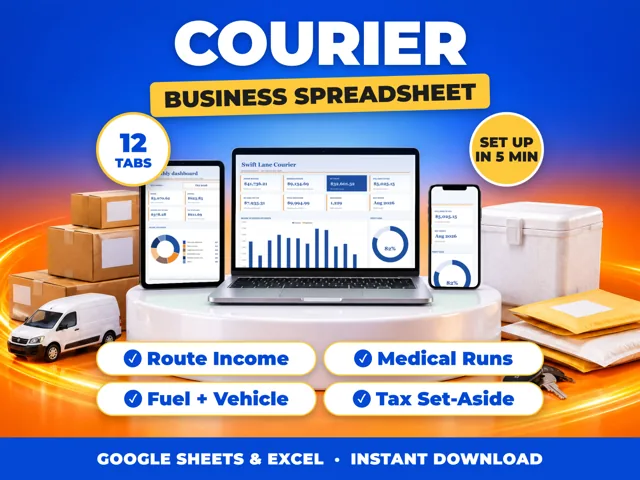
Usually not, if you deliver in a car or small van. FMCSA requires a USDOT number for companies operating commercial vehicles that haul cargo in interstate commerce, and for cargo that generally means a vehicle rated or weighing 10,001 pounds or more, or one carrying placarded hazardous materials. Some states also require USDOT numbers for trucks that stay in state. ProfitDrawer's courier guide says to check FMCSA and your state DOT if you use a larger truck or cross state lines.
Under the federal definition (49 CFR 390.5), a commercial motor vehicle used in interstate commerce is one that:
- has a weight rating or actual weight of 10,001 pounds or more, or
- is designed or used to carry more than 8 passengers (including the driver) for pay, or more than 15 not for pay, or
- carries hazardous materials in amounts that require placards.
Interstate commerce includes trips between states, and trips inside one state that are part of a move starting or ending in another state.
What this means for couriers:
- Most courier cars and small vans weigh well under 10,001 pounds, so the federal USDOT rule usually does not apply to them.
- If you move up to a heavier box truck, or haul across state lines, check FMCSA's registration pages. Operating authority (an MC number) is a separate requirement for some for-hire carriers.
- Check your state DOT, since some states require USDOT numbers for intrastate commercial vehicles.
You will still need any city or county business license, and commercial auto insurance, because personal policies may not cover business deliveries. Medical courier clients often set their own training and insurance requirements. General information, not legal advice.
Source: 49 CFR 390.5, Definitions (Legal Information Institute, Cornell Law School) · Updated
Tools and spreadsheets for this


Related questions
- Do I need a CDL to start a box truck business?
- How much does it cost to start a trucking business with one truck?
- Do I need insurance for a small service business?
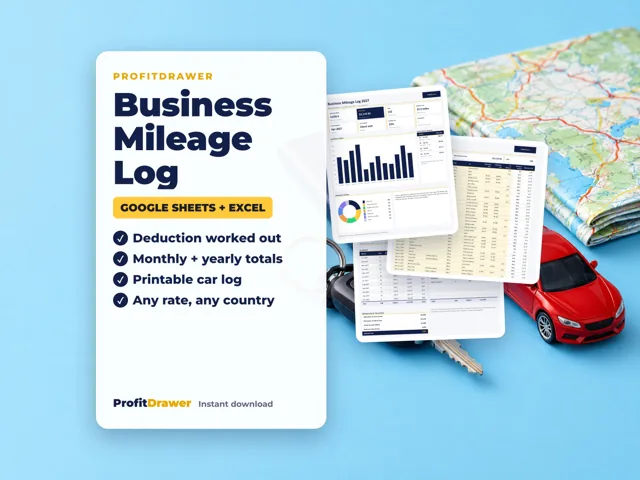
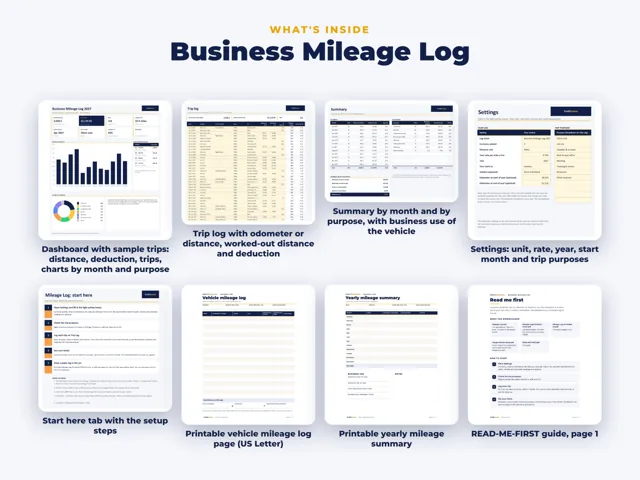
- What records do I need to keep for business mileage?
- What is the IRS standard mileage rate for business in 2026?
- How much does it cost to start a small business?
All questions on ProfitDrawer Answers →
General information, not tax, legal or financial advice. Check the rules for your state and your situation.