
Food truck permits are set by your state, county and city, so the list differs by place. Most trucks need a general business license, a mobile food unit health permit, a food safety certificate for at least one person, a fire inspection if you cook with propane, sales tax registration and permits for where you park. ProfitDrawer's food truck guide budgets $500 to $3,000 for health, fire and business permits as an example, and says to call your county health department first.
Call your county or city health department before you buy a truck, and ask:
- What do I need for a mobile food unit permit, and will you review my plans first?
- Do I need a commissary (a licensed kitchen to prep, store food, fill water and dump waste), and how often must I go?
- What food safety certificate does the person in charge need?
- What equipment must the truck have, such as hand sink, three compartment sink, water tanks, hot water and refrigeration?
The FDA says local health departments issue the licenses or permits for food prepared and sold to consumers.
Then check with your city, county and state:
- General business license and sales tax registration.
- Fire safety inspection if you use propane or a fryer.
- Parking and vending rules: where and how long you may park, and permits for each city you serve.
- Vehicle registration and commercial auto insurance.
- Business name or LLC registration and a free EIN from the IRS.
Permit reviews and build-outs can take longer than a month, so start the calls early. General information, not legal advice.
Source: Apply for licenses and permits (U.S. Small Business Administration) · Updated
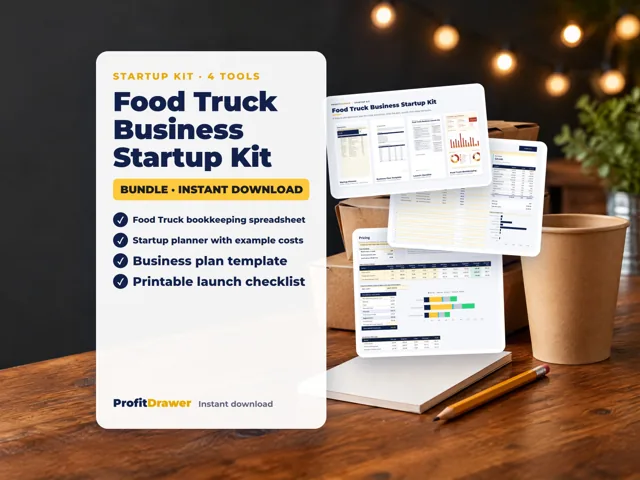
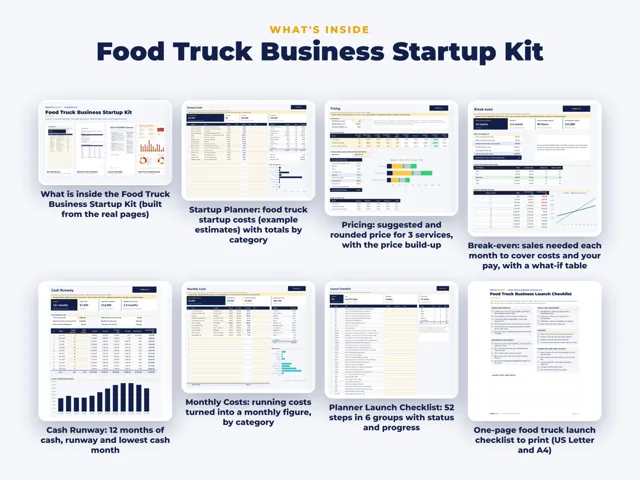
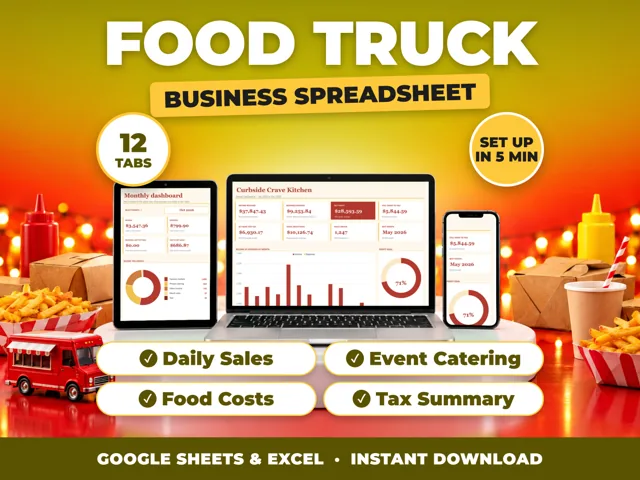
Tools and spreadsheets for this

Related questions
All questions on ProfitDrawer Answers →
General information, not tax, legal or financial advice. Check the rules for your state and your situation.